MSFS
Lockheed L-1011 TriStar ↗
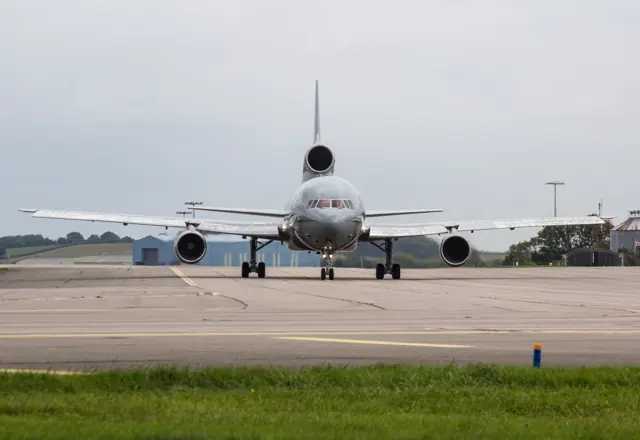
Lockheed's wide-body TriStar, with three RB211 engines and a distinctive tail intake.
1 implementations+ Compare
Explore the aircraft. Find your simulator. Follow the sources.
Lockheed's wide-body TriStar, with three RB211 engines and a distinctive tail intake.
A side-by-side two-seat sailplane with a retractable powerplant for self-launching.
Cessna's unusual piston-powered helicopter, marketed as the Skyhook.
A medium commercial helicopter designed for passenger and utility transport.
A twin-turboprop regional airliner developed through Swedish and American industrial cooperation.
A lightweight short-field aircraft with a specialised wing and tall, shock-absorbing landing gear.
A long-range twin whose programme emphasised composite construction and more electrically powered systems.
An unpowered military cargo glider designed to deliver troops and equipment behind a tow aircraft.
A compact Czech touring aircraft with side-by-side seats and a streamlined low-wing airframe.
A low-wing piston twin that carries the Beechcraft touring-aircraft lineage into two-engine flying.
An open, single-seat ultralight with its propeller behind the pilot.
Tecnam's four-seat high-wing single, built with metal and carbon-fibre components.
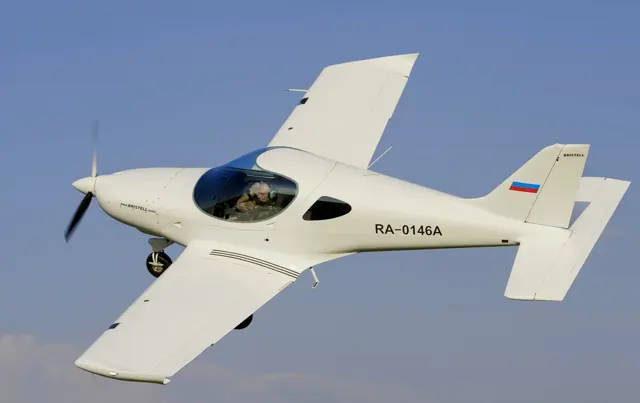
BRM Aero's two-seat B23, represented in MSFS by Airfoillabs.
A long-range fighter whose different engine and canopy developments produced several distinct forms.
A compact Italian light twin with a shoulder wing and metal airframe.
A streamlined twin-engine helicopter with a Fenestron tail rotor and retractable landing gear.
The four-engine wide-body whose raised flight deck created one of aviation's most recognisable profiles.
A tandem two-seat sailplane family used for training and cross-country soaring.
A specialised reconnaissance aircraft designed for very high altitude and sustained supersonic flight.
A hybrid-electric regional-airliner concept represented in the simulator while the real programme develops.
The purpose-built Ryan monoplane used by Charles Lindbergh for his 1927 solo Atlantic crossing.
A very large single-engine biplane designed for practical work from modest airfields.
A close-air-support aircraft with a straight wing, twin tail and two widely separated jet engines.
An enclosed, two-seat autogyro with side-by-side seating and a pusher propeller.
This is AirframeDB’s first release. More features and aircraft research are planned. Leave your email if you’d like occasional updates.