MSFS
Flight Design CTSL ↗
A two-seat composite light-aircraft family with a high wing and a compact enclosed cabin.
2 implementations+ Compare
Explore the aircraft. Find your simulator. Follow the sources.
A two-seat composite light-aircraft family with a high wing and a compact enclosed cabin.
Regional flying built around a high wing, two turboprops and short sectors.
A twin-turboprop utility aircraft developed by Reims Aviation with Cessna.
A six-engine heavy transport created for exceptionally large external and internal loads.
A pressurised touring twin whose piston and turbine-conversion versions make a particularly interesting comparison.
Epic's experimental light-jet project, represented in simulation by Aerobask.
A French two-seat aerobatic trainer with side-by-side seating and a distinctive curved wing outline.
A single-engine utility helicopter known as the Écureuil, Squirrel and AStar.
A four-seat, pressurised kit aircraft with a composite airframe and retractable landing gear.
A personal jet with one engine above the rear fuselage and a distinctive V-tail.
A twin-hull flying boat with its engines mounted together above the wing.
A 1920s flying boat with two engines arranged in tandem above the wing.
A full-length double-deck airliner built for very high passenger capacity.
Two related Dutch regional jets developed from the F28 lineage.
A family of single-aisle airliners built around sidesticks, electronic flight controls and a shared cockpit.
A large amphibious flying boat built around maritime rescue and utility transport.
A side-by-side two-seat sailplane with a retractable powerplant for self-launching.
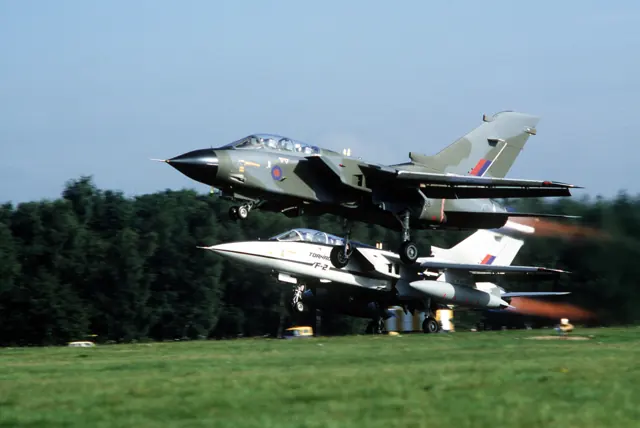
A European variable-sweep combat-aircraft family with distinct strike and interceptor versions.
A twin-radial military transport with a rear ramp and short-field design priorities.
A pioneering light helicopter whose bubble cabin and exposed structure became widely recognisable.
A large long-haul twin that introduced Boeing's first commercial fly-by-wire airliner flight controls.
The CJ4 belongs to Cessna's light-jet line, with two rear-mounted engines and a T-tail.
The purpose-built Ryan monoplane used by Charles Lindbergh for his 1927 solo Atlantic crossing.
A pressurised twin turboprop with a canard, composite airframe and rear-facing propellers.
This is AirframeDB’s first release. More features and aircraft research are planned. Leave your email if you’d like occasional updates.