X-Plane
PZL-104 Wilga ↗
A Polish utility aircraft designed for short takeoffs and landings.
1 implementations+ Compare
Explore the aircraft. Find your simulator. Follow the sources.
A Polish utility aircraft designed for short takeoffs and landings.
A compact racing aeroplane built around a large radial engine and very short fuselage.
A French two-seat aerobatic trainer with side-by-side seating and a distinctive curved wing outline.
A tandem-seat homebuilt jet with composite construction and retractable landing gear.
An amphibious turboprop designed around scooping water and delivering it to fires.
The Stationair utility family, combining a high wing with fixed landing gear.
A single-seat competition sailplane offered in Standard and 18-metre configurations.
A turbine-powered utility helicopter with a broad cabin and a long international service history.
The purpose-built Ryan monoplane used by Charles Lindbergh for his 1927 solo Atlantic crossing.
A twin-aisle Boeing designed alongside the 757's generation of two-pilot flight decks.
A twin-turboprop regional airliner developed through Swedish and American industrial cooperation.
A light turbine helicopter combining an Alouette II airframe with more powerful Alouette III components.
TorqueSim's Pocket Rocket, a simulated PT6-powered light aircraft with two gear layouts.
A compact Japanese twin turboprop with a high wing and pressurised cabin.
A compact twin-engine helicopter widely used for medical, police and training work.
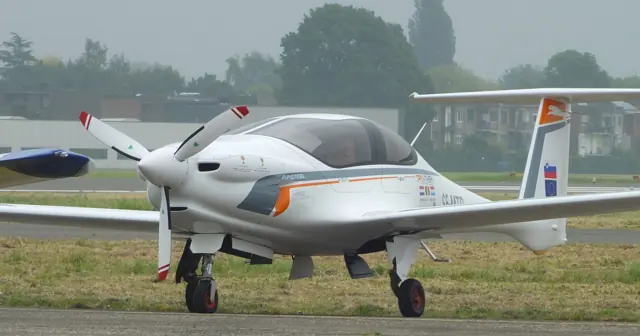
Pipistrel's streamlined four-seat composite-aircraft design.
A military transport developed from the DC-3, used for cargo, troops, parachuting and glider towing.
A jet-powered military transport designed for both strategic loads and tactical airfield access.
The Model 525 CitationJet, the starting point of Cessna's CJ and M2 lineage.
A corrugated-metal transport best known in its three-engine form.
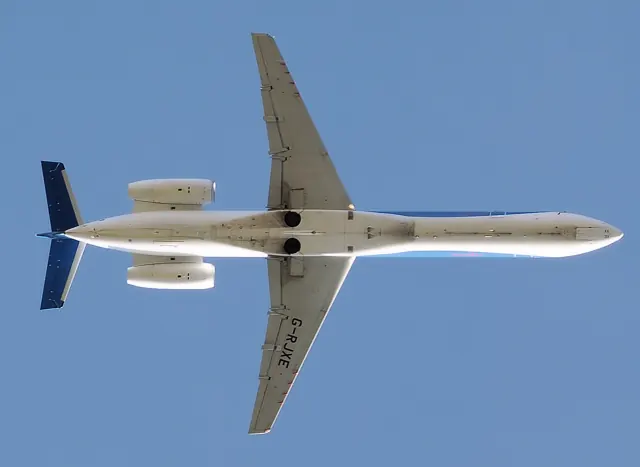
Embraer's regional-jet family, from the ERJ 135 to the longer ERJ 145.
Ted Smith's piston twin, later produced by Piper as the Aerostar.
A two-seat naval fighter with variable-sweep wings and a cockpit built around pilot and radar-intercept officer roles.
The second-generation Harrier, designed around vectored thrust and short-field operation.
This is AirframeDB’s first release. More features and aircraft research are planned. Leave your email if you’d like occasional updates.