MSFS X-Plane
Cirrus SR22 ↗
A composite touring single with a whole-aircraft parachute and several generations of avionics.
5 implementations+ Compare
Explore the aircraft. Find your simulator. Follow the sources.
A composite touring single with a whole-aircraft parachute and several generations of avionics.
A French two-seat aerobatic trainer with side-by-side seating and a distinctive curved wing outline.
A heavy transport helicopter whose two large rotors remove the need for a tail rotor.
An enclosed-cabin development of the Bell 47, shaped for passenger and executive transport.
A wide-cabin business-jet family that developed from Canadair's original Challenger programme.
A modern utility single whose family includes both tailwheel and nosewheel configurations.
A British utility twin built around short regional and practical transport work.
A two-seat composite trainer with a low wing and a large canopy.
Regional flying built around a high wing, two turboprops and short sectors.
A two-seat light amphibian with a compact boat hull and a pusher propeller.
A single-seat competition sailplane offered in Standard and 18-metre configurations.
A lightweight short-field aircraft with a specialised wing and tall, shock-absorbing landing gear.
A four-engine jetliner that helped establish the shape of long-distance jet travel.
A five-seat turbine helicopter developed from Robinson's smaller piston-helicopter line.
A pioneering all-metal transport with an enclosed passenger cabin and corrugated skin.
A two-seat composite kit aircraft developed from the Lancair 320.
A small twin-engine amphibian that moved from business transport into military and utility service.
A push-pull twin with one engine at each end of the central fuselage.
A tandem two-seat sailplane family used for training and cross-country soaring.
A modern medium twin-engine helicopter developed as a successor to the Dauphin line.
A 1920s flying boat with two engines arranged in tandem above the wing.
The CJ4 belongs to Cessna's light-jet line, with two rear-mounted engines and a T-tail.
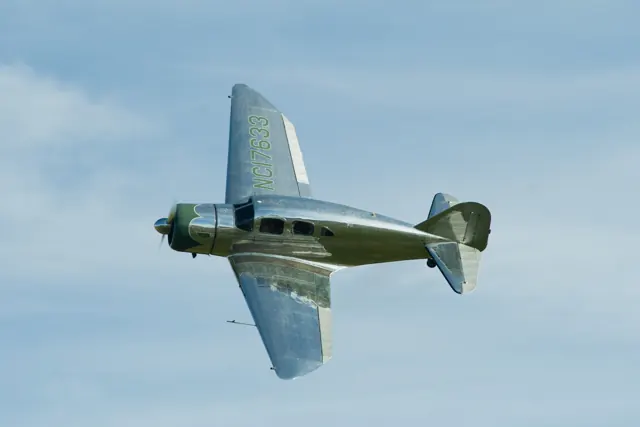
A late-1930s cabin aircraft with metal construction and retractable landing gear.
The purpose-built Ryan monoplane used by Charles Lindbergh for his 1927 solo Atlantic crossing.
This is AirframeDB’s first release. More features and aircraft research are planned. Leave your email if you’d like occasional updates.