MSFS
ATR 42-600 / 72-600 ↗
Regional flying built around a high wing, two turboprops and short sectors.
1 implementations+ Compare
Explore the aircraft. Find your simulator. Follow the sources.
Regional flying built around a high wing, two turboprops and short sectors.
A four-engine airliner whose history also includes long-range maritime military service.
A four-seat touring family whose Commander 114 added a larger engine and further refinements.
A pressurised twin turboprop with a canard, composite airframe and rear-facing propellers.
A low-wing agricultural Cessna with a cockpit and hopper arranged around the job.
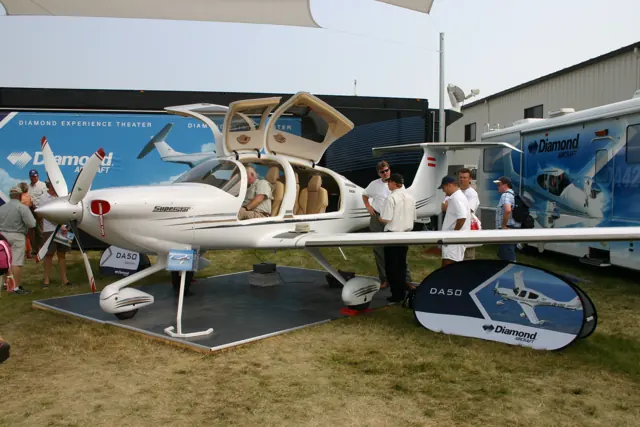
A five-seat composite single whose development led to the diesel DA50 RG.
A compact aerobatic biplane family with both single-seat and tandem-seat branches.
A wooden touring-aircraft family recognisable by the upward-angled outer wing panels.
A compact twin-engine transport helicopter with retractable gear and a long development history.
A family of single-aisle airliners built around sidesticks, electronic flight controls and a shared cockpit.
A hybrid-electric regional-airliner concept represented in the simulator while the real programme develops.
Ted Smith's piston twin, later produced by Piper as the Aerostar.
A small twin-engine amphibian that moved from business transport into military and utility service.
A shorter wide-body Airbus from the transition to two-pilot, electronic-instrument cockpits.
Cessna's retractable-gear Centurion, a high-wing touring aircraft.
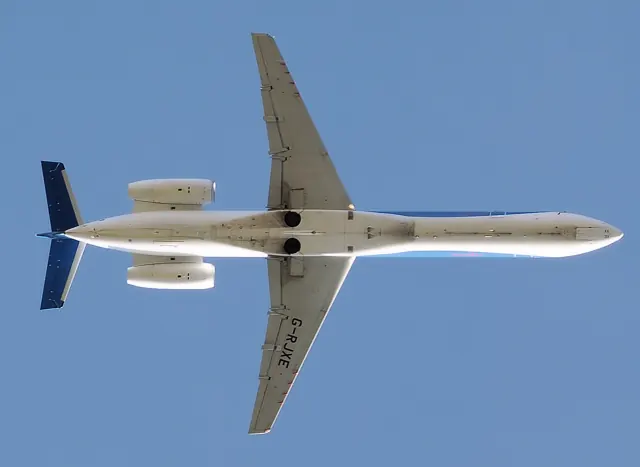
Embraer's regional-jet family, from the ERJ 135 to the longer ERJ 145.
A midsize business jet developed by Bombardier’s Learjet division.
A personal jet with one engine above the rear fuselage and a distinctive V-tail.
A tandem-seat light aircraft with a streamlined low-wing layout.
A radial-engined light transport whose long career covered passengers, freight and military training.
A very large single-engine biplane designed for practical work from modest airfields.
Cirrus's first type-certified aircraft, a composite piston single.
A stretched development of the DC-9 with rear-mounted engines and a five-abreast cabin.
The Wilga is the real-aircraft starting point for Mike Patey's DRACO and the simulator's DRACO X.
This is AirframeDB’s first release. More features and aircraft research are planned. Leave your email if you’d like occasional updates.