MSFS X-Plane
North American P-51 Mustang ↗
A long-range fighter whose different engine and canopy developments produced several distinct forms.
2 implementations+ Compare
Explore the aircraft. Find your simulator. Follow the sources.
A long-range fighter whose different engine and canopy developments produced several distinct forms.
A compact Japanese twin turboprop with a high wing and pressurised cabin.
Piper's PA-31 utility twin, used in commuter, cargo and corporate transport.
A compact Italian light twin with a shoulder wing and metal airframe.
A midsize business jet developed by Bombardier’s Learjet division.
A single-engine utility helicopter known as the Écureuil, Squirrel and AStar.
A personal jet with one engine above the rear fuselage and a distinctive V-tail.
A wooden touring-aircraft family recognisable by the upward-angled outer wing panels.
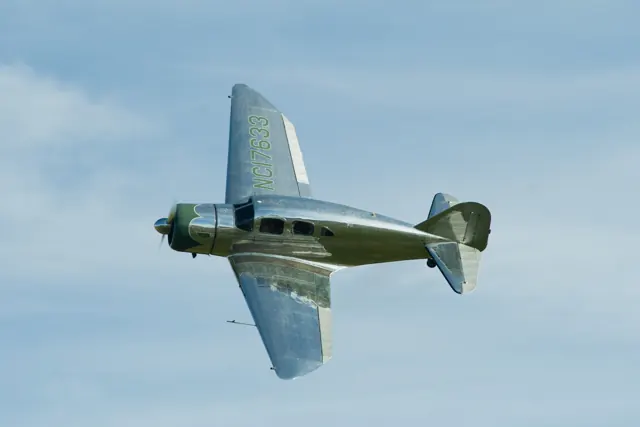
A late-1930s cabin aircraft with metal construction and retractable landing gear.
A heavy transport helicopter whose two large rotors remove the need for a tail rotor.
A pioneering light helicopter whose bubble cabin and exposed structure became widely recognisable.
A long-range twin designed around a new wide-body airframe and extensive composite construction.
A four-seat, pressurised kit aircraft with a composite airframe and retractable landing gear.
A tandem two-seat sailplane family used for training and cross-country soaring.
A streamlined twin-engine helicopter with a Fenestron tail rotor and retractable landing gear.
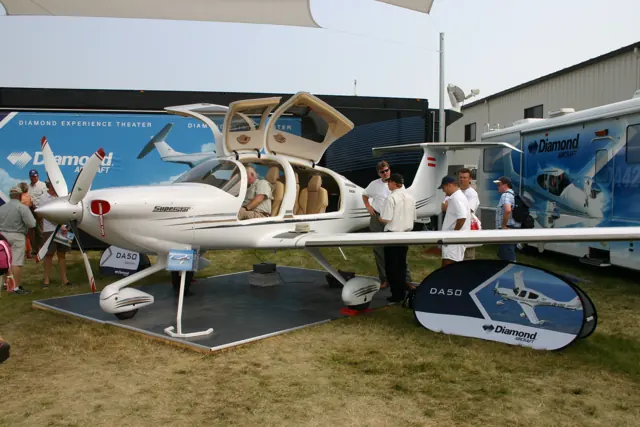
A five-seat composite single whose development led to the diesel DA50 RG.
A two-seat composite light-aircraft family with a high wing and a compact enclosed cabin.
Dassault's long-range Falcon 8X, developed from the three-engine 7X.
An Italian light aircraft known for military training and aerobatic use.
A shorter wide-body Airbus from the transition to two-pilot, electronic-instrument cockpits.
The Wilga is the real-aircraft starting point for Mike Patey's DRACO and the simulator's DRACO X.
The purpose-built Ryan monoplane used by Charles Lindbergh for his 1927 solo Atlantic crossing.
A modern medium twin-engine helicopter developed as a successor to the Dauphin line.
An enclosed, two-seat autogyro with side-by-side seating and a pusher propeller.
This is AirframeDB’s first release. More features and aircraft research are planned. Leave your email if you’d like occasional updates.