MSFS X-Plane
Boeing 777 ↗
A large long-haul twin that introduced Boeing's first commercial fly-by-wire airliner flight controls.
2 implementations+ Compare
Explore the aircraft. Find your simulator. Follow the sources.
A large long-haul twin that introduced Boeing's first commercial fly-by-wire airliner flight controls.
The purpose-built Ryan monoplane used by Charles Lindbergh for his 1927 solo Atlantic crossing.
A compact Czech touring aircraft with side-by-side seats and a streamlined low-wing airframe.
A twin-turbine Huey descendant with a four-blade main rotor.
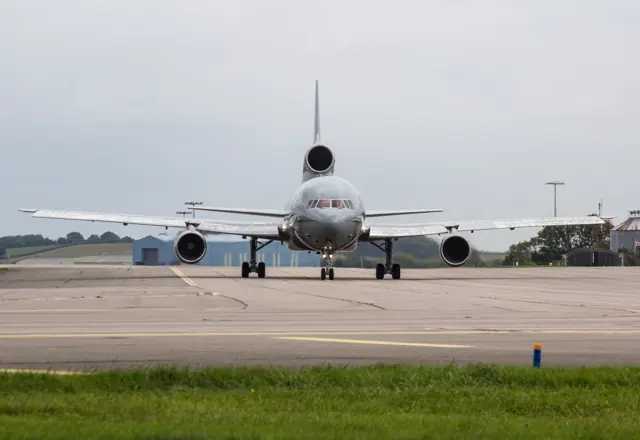
Lockheed's wide-body TriStar, with three RB211 engines and a distinctive tail intake.
A lightweight short-field aircraft with a specialised wing and tall, shock-absorbing landing gear.
A composite, low-wing touring single with fixed gear and a turbocharged engine.
A regional turboprop family whose short early versions and larger Q400 have different proportions and systems.
A four-seat high-wing single that spans generations of conventional instruments and glass cockpits.
Tecnam's two-seat, low-wing Sierra, introduced in the early 2000s.
A high-wing utility turboprop designed for short-field passenger and cargo work.
A short-field Savage with leading-edge slats and a distinct Got Friends simulator implementation.
A Polish utility aircraft designed for short takeoffs and landings.
A long-range strategic bomber with a swept wing and eight jet engines in paired pods.
A long-range twin whose programme emphasised composite construction and more electrically powered systems.
A self-launching sailplane family with its engine inside the fuselage and a folding nose propeller.
A close-air-support aircraft with a straight wing, twin tail and two widely separated jet engines.
A tandem-seat jet trainer that also found a second life in civilian display and racing.
An enclosed-cabin development of the Bell 47, shaped for passenger and executive transport.
A twin-turboprop regional airliner developed through Swedish and American industrial cooperation.
A rear-engined trijet built to bring jet service to shorter routes and smaller airports.
A pressurised twin turboprop with a canard, composite airframe and rear-facing propellers.
A heavy transport helicopter whose two large rotors remove the need for a tail rotor.
A two-seat naval fighter with variable-sweep wings and a cockpit built around pilot and radar-intercept officer roles.
This is AirframeDB’s first release. More features and aircraft research are planned. Leave your email if you’d like occasional updates.