MSFS
Tecnam P2008 ↗
A two-seat Tecnam high-wing aircraft combining composite and metal construction.
1 implementations+ Compare
Explore the aircraft. Find your simulator. Follow the sources.
A two-seat Tecnam high-wing aircraft combining composite and metal construction.
A Brazilian light trainer with a high wing, tandem seats and a simple utility layout.
A Swedish reconnaissance and dive-bombing aircraft from the early 1940s.
A small three-engine demonstrator created to explore technologies for a future supersonic airliner.
Beechcraft's Model 76, designed to introduce pilots to twin-engine flying.
A compact racing aeroplane built around a large radial engine and very short fuselage.
A post-war Czech light twin with a rounded cabin and engines carried on a low wing.
A vast inter-war flying boat with twelve engines arranged in six paired installations.
A small observation-helicopter family with a rounded cabin and compact rotor system.
A tailwheel utility single built around a high wing and a substantial working cabin.
A huge wooden flying-boat prototype that made one brief flight in 1947.
A wide-cabin business-jet family that developed from Canadair's original Challenger programme.
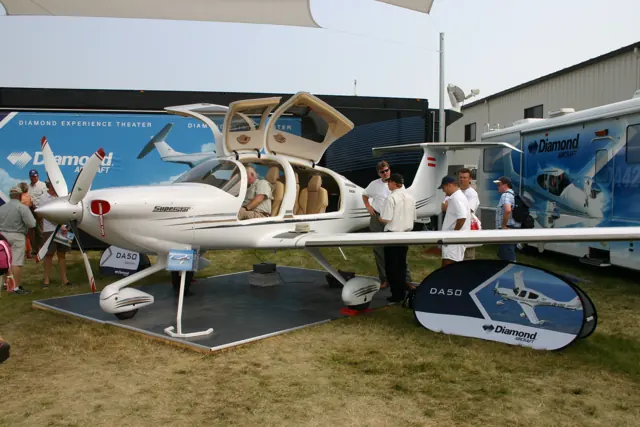
A five-seat composite single whose development led to the diesel DA50 RG.
A twin-turboprop utility aircraft developed by Reims Aviation with Cessna.
Piper's two-seat trainer with fixed tricycle landing gear.
A four-engine airliner that brought pressurised-cabin travel into scheduled service.
A French two-seat aerobatic trainer with side-by-side seating and a distinctive curved wing outline.
A compact rear-engined jet designed for short-haul regional airline work.
A side-by-side two-seat sailplane with a retractable powerplant for self-launching.
A post-war Businessliner with a radial engine, cabin transport ambitions and tailwheel gear.
A DC-10-derived tanker that combined aerial refuelling with passenger and cargo transport.
A short-haul jet family that evolved through several generations of engines, wings and flight decks.
A compact Japanese twin turboprop with a high wing and pressurised cabin.
The CJ4 belongs to Cessna's light-jet line, with two rear-mounted engines and a T-tail.
This is AirframeDB’s first release. More features and aircraft research are planned. Leave your email if you’d like occasional updates.