MSFS
Mitsubishi MU-2 ↗
A compact Japanese twin turboprop with a high wing and pressurised cabin.
1 implementations+ Compare
Explore the aircraft. Find your simulator. Follow the sources.
A compact Japanese twin turboprop with a high wing and pressurised cabin.
TorqueSim's Pocket Rocket, a simulated PT6-powered light aircraft with two gear layouts.
A utility-aircraft family whose stretched 207 branch trades compact proportions for more cabin space.
An amphibious turboprop designed around scooping water and delivering it to fires.
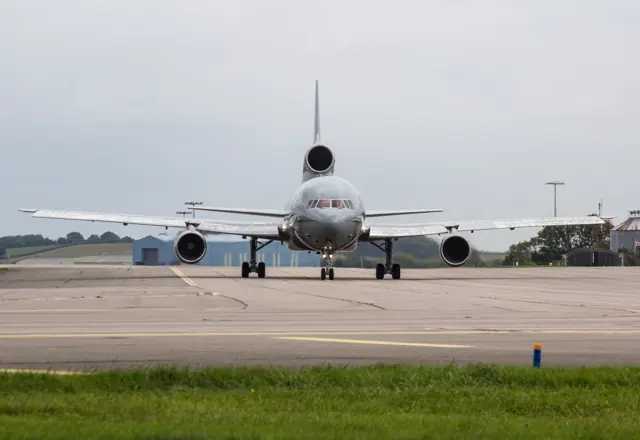
Lockheed's wide-body TriStar, with three RB211 engines and a distinctive tail intake.
A four-engine tactical transport built around a rear loading ramp and access to austere airfields.
Regional flying built around a high wing, two turboprops and short sectors.
A cabin-class piston twin designed for commuter, cargo and utility work.
A six-engine flying boat created for long-distance passenger travel over water.
Dassault's long-range Falcon 8X, developed from the three-engine 7X.
A pioneering light helicopter whose bubble cabin and exposed structure became widely recognisable.
A very large single-engine biplane designed for practical work from modest airfields.
Beechcraft's Model 76, designed to introduce pilots to twin-engine flying.
A two-seat light amphibian with a compact boat hull and a pusher propeller.
A two-seat composite kit aircraft developed from the Lancair 320.
A retractable-gear touring single with an all-metal airframe and a long-lived enthusiast following.
A tailwheel utility single built around a high wing and a substantial working cabin.
The Wilga is the real-aircraft starting point for Mike Patey's DRACO and the simulator's DRACO X.
A four-engine airliner whose history also includes long-range maritime military service.
A four-bladed utility helicopter developed from the LongRanger lineage.
A radial-engined light transport whose long career covered passengers, freight and military training.
A radial-engined utility aircraft closely associated with bush flying and float operations.
A push-pull twin with one engine at each end of the central fuselage.
This is AirframeDB’s first release. More features and aircraft research are planned. Leave your email if you’d like occasional updates.