MSFS
Antonov An-225 ↗
A six-engine heavy transport created for exceptionally large external and internal loads.
1 implementations+ Compare
Explore the aircraft. Find your simulator. Follow the sources.
A six-engine heavy transport created for exceptionally large external and internal loads.
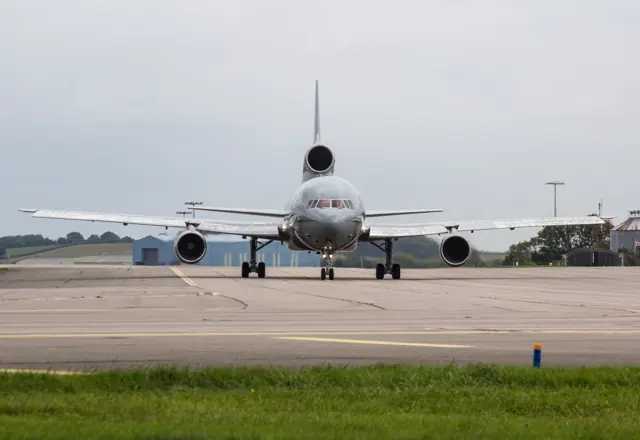
Lockheed's wide-body TriStar, with three RB211 engines and a distinctive tail intake.
An unpowered military cargo glider designed to deliver troops and equipment behind a tow aircraft.
A compact Italian light twin with a shoulder wing and metal airframe.
A compact rear-engined jet designed for short-haul regional airline work.
A five-seat composite single whose development led to the diesel DA50 RG.
A twin-turboprop utility aircraft developed by Reims Aviation with Cessna.
Cirrus's first type-certified aircraft, a composite piston single.
A twin-radial military transport with a rear ramp and short-field design priorities.
Two related Dutch regional jets developed from the F28 lineage.
A light tandem-seat taildragger built around the familiar braced high-wing layout.
Cessna's unusual piston-powered helicopter, marketed as the Skyhook.
A four-engine jetliner that helped establish the shape of long-distance jet travel.
A light turbine helicopter whose land-based Scout and naval Wasp branches served different jobs.
A jet-powered military transport designed for both strategic loads and tactical airfield access.
A tandem two-seat sailplane family used for training and cross-country soaring.
Mooney's four-seat piston family, developed through many touring-aircraft variants.
A military transport developed from the DC-3, used for cargo, troops, parachuting and glider towing.
A compact Japanese twin turboprop with a high wing and pressurised cabin.
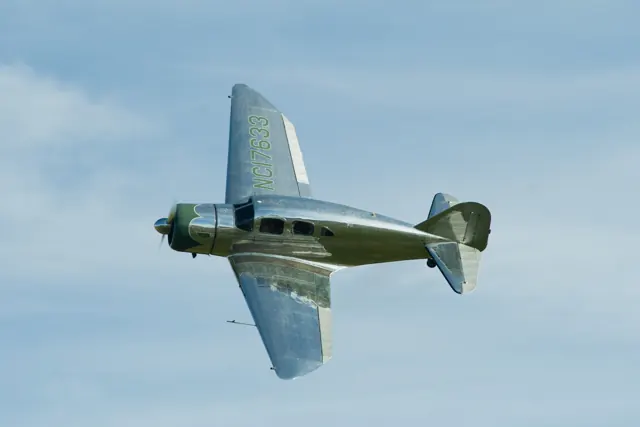
A late-1930s cabin aircraft with metal construction and retractable landing gear.
Tecnam's two-seat, low-wing Sierra, introduced in the early 2000s.
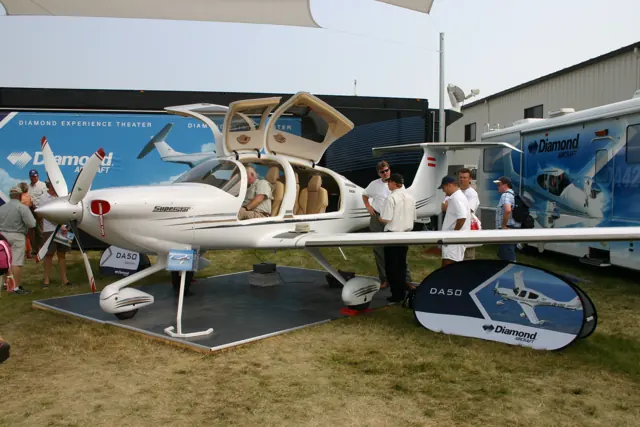
A two-seat composite trainer with a low wing and a large canopy.
A tandem-seat jet trainer that also found a second life in civilian display and racing.
A push-pull twin with one engine at each end of the central fuselage.
This is AirframeDB’s first release. More features and aircraft research are planned. Leave your email if you’d like occasional updates.