MSFS
Cessna 188 AGTruck ↗
A low-wing agricultural Cessna with a cockpit and hopper arranged around the job.
1 implementations+ Compare
Explore the aircraft. Find your simulator. Follow the sources.
A low-wing agricultural Cessna with a cockpit and hopper arranged around the job.
A two-seat training single with a high wing and fixed tricycle landing gear.
A pioneering light helicopter whose bubble cabin and exposed structure became widely recognisable.
A vast inter-war flying boat with twelve engines arranged in six paired installations.
A heavy transport helicopter whose two large rotors remove the need for a tail rotor.
Cirrus's first type-certified aircraft, a composite piston single.
An Italian light aircraft known for military training and aerobatic use.
A purpose-built aerobatic monoplane family developed by pilot and designer Walter Extra.
A tandem-seat homebuilt jet with composite construction and retractable landing gear.
A 1920s transport family that developed from a single-engine airliner into a trimotor.
The H130 utility helicopter, descended from the AS350 and fitted with a Fenestron.
A regional jet family with four small engines, a high wing and a large split tail airbrake.
A midsize business jet developed by Bombardier’s Learjet division.
A turbine-powered utility helicopter with a broad cabin and a long international service history.
Ted Smith's piston twin, later produced by Piper as the Aerostar.
A composite amphibian that carries Dornier's centreline engine arrangement into the turboprop era.
The JetRanger and LongRanger family: a familiar turbine-helicopter shape with distinct cabin lengths.
An open-cockpit biplane trainer that found a second life in civilian flying.
A retractable-gear touring single with an all-metal airframe and a long-lived enthusiast following.
A tandem two-seat sailplane designed for instruction and broader soaring use.
A military transport developed from the DC-3, used for cargo, troops, parachuting and glider towing.
A two-seat composite trainer with a low wing and a large canopy.
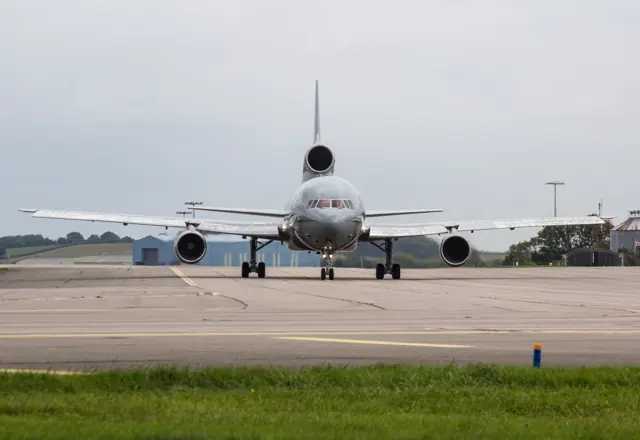
Lockheed's wide-body TriStar, with three RB211 engines and a distinctive tail intake.
A push-pull twin with one engine at each end of the central fuselage.
This is AirframeDB’s first release. More features and aircraft research are planned. Leave your email if you’d like occasional updates.