X-Plane
Boeing 767 ↗
A twin-aisle Boeing designed alongside the 757's generation of two-pilot flight decks.
1 implementations+ Compare
Explore the aircraft. Find your simulator. Follow the sources.
A twin-aisle Boeing designed alongside the 757's generation of two-pilot flight decks.
The four-engine Flying Fortress, a major American bomber of the Second World War.
A pressurised twin turboprop with a canard, composite airframe and rear-facing propellers.
A pressurised single-engine turboprop family that combines a compact cabin with retractable gear.
A stretched development of the DC-9 with rear-mounted engines and a five-abreast cabin.
A light tandem-seat taildragger built around the familiar braced high-wing layout.
A purpose-built agricultural aircraft that also became a single-engine air tanker.
A four-seat kit-built touring aircraft that expanded the RV family beyond two-seat designs.
A pioneering light helicopter whose bubble cabin and exposed structure became widely recognisable.
A regional jet family with four small engines, a high wing and a large split tail airbrake.
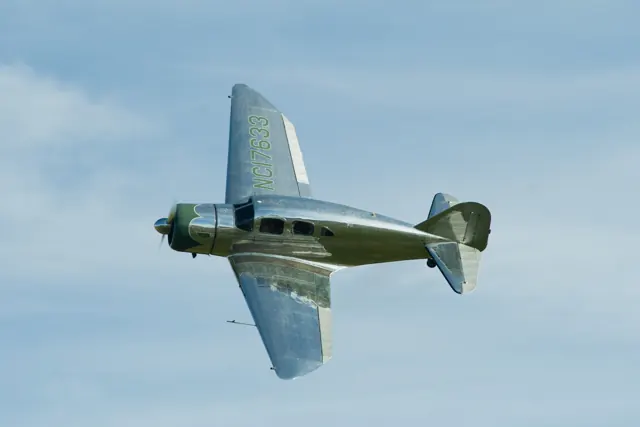
A late-1930s cabin aircraft with metal construction and retractable landing gear.
An enclosed, two-seat autogyro with side-by-side seating and a pusher propeller.
Two related Dutch regional jets developed from the F28 lineage.
A light turbine helicopter whose land-based Scout and naval Wasp branches served different jobs.
The CJ4 belongs to Cessna's light-jet line, with two rear-mounted engines and a T-tail.
A tandem-seat jet trainer that also found a second life in civilian display and racing.
A low-wing piston family that spans simple trainers, touring aircraft and retractable-gear Arrows.
A long-range twin whose programme emphasised composite construction and more electrically powered systems.
A family of single-aisle airliners built around sidesticks, electronic flight controls and a shared cockpit.
Regional flying built around a high wing, two turboprops and short sectors.
A corrugated-metal transport best known in its three-engine form.
A large twin-engine helicopter from the Super Puma line, used for offshore and public-service work.
A close-air-support aircraft with a straight wing, twin tail and two widely separated jet engines.
A tandem two-seat sailplane family used for training and cross-country soaring.
This is AirframeDB’s first release. More features and aircraft research are planned. Leave your email if you’d like occasional updates.