MSFS
Mudry CAP 10 ↗
A French two-seat aerobatic trainer with side-by-side seating and a distinctive curved wing outline.
2 implementations+ Compare
Explore the aircraft. Find your simulator. Follow the sources.
A French two-seat aerobatic trainer with side-by-side seating and a distinctive curved wing outline.
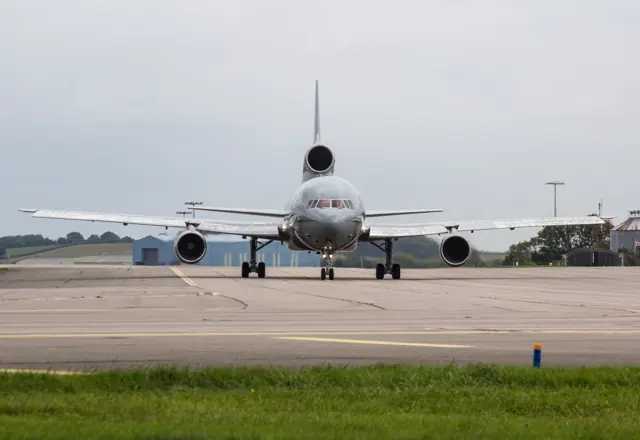
Lockheed's wide-body TriStar, with three RB211 engines and a distinctive tail intake.
A midsize business jet developed by Bombardier’s Learjet division.
A long-range fighter whose different engine and canopy developments produced several distinct forms.
The purpose-built Ryan monoplane used by Charles Lindbergh for his 1927 solo Atlantic crossing.
An enclosed, two-seat autogyro with side-by-side seating and a pusher propeller.
An all-metal sport and touring aircraft from Bayerische Flugzeugwerke.
A four-engine tactical transport built around a rear loading ramp and access to austere airfields.
A four-seat, pressurised kit aircraft with a composite airframe and retractable landing gear.
A single-engine turboprop workhorse for passenger services, freight and remote-area transport.
A turbine-powered utility helicopter with a broad cabin and a long international service history.
A compact Japanese twin turboprop with a high wing and pressurised cabin.
A large twin-radial transport that carried heavy loads through wartime and post-war freight service.
A two-seat naval fighter with variable-sweep wings and a cockpit built around pilot and radar-intercept officer roles.
A pressurised four-engine piston transport from the last major generation before the jet airliner.
A long-range trijet developed from the DC-10 with a stretched fuselage and revised wing and cockpit.
A vast inter-war flying boat with twelve engines arranged in six paired installations.
A streamlined light twin helicopter, with the later Bell 230 in the same family.
A long-haul twin whose family spans passenger, freight and specialist transport roles.
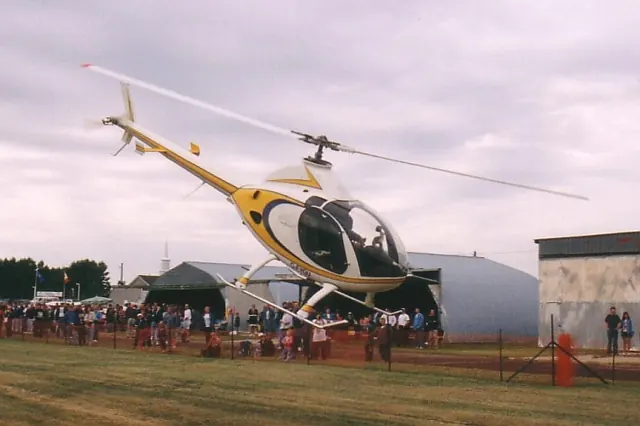
RotorWay's two-seat kit-helicopter family, with piston and turbine simulator interpretations.
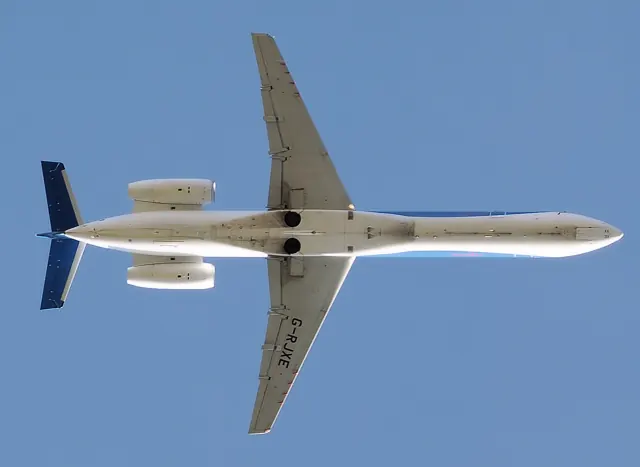
Embraer's regional-jet family, from the ERJ 135 to the longer ERJ 145.
A push-pull twin with one engine at each end of the central fuselage.
A heavy transport helicopter whose two large rotors remove the need for a tail rotor.
A wooden touring-aircraft family recognisable by the upward-angled outer wing panels.
This is AirframeDB’s first release. More features and aircraft research are planned. Leave your email if you’d like occasional updates.