MSFS
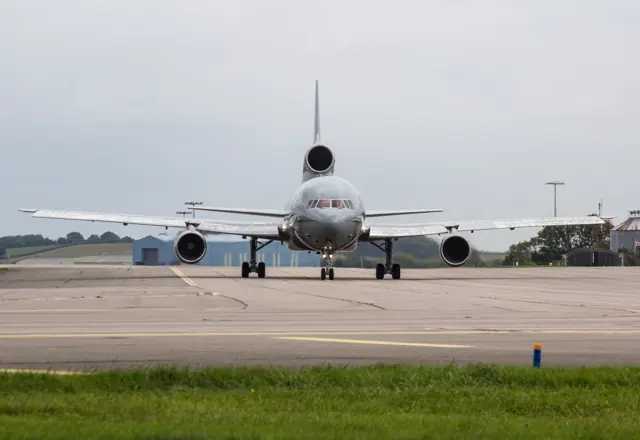
Lockheed L-1011 TriStar ↗
Lockheed's wide-body TriStar, with three RB211 engines and a distinctive tail intake.
1 implementations+ Compare
Explore the aircraft. Find your simulator. Follow the sources.
Lockheed's wide-body TriStar, with three RB211 engines and a distinctive tail intake.
A five-seat turbine helicopter developed from Robinson's smaller piston-helicopter line.
A two-seat Tecnam high-wing aircraft combining composite and metal construction.
A shorter wide-body Airbus from the transition to two-pilot, electronic-instrument cockpits.
A small two-seat piston helicopter with a two-bladed main rotor.
A modern composite twin with a roomy cabin and two wing-mounted piston engines.
A large twin-engine helicopter from the Super Puma line, used for offshore and public-service work.
Lockheed's tandem-seat Shooting Star jet trainer.
A streamlined twin-engine helicopter with a Fenestron tail rotor and retractable landing gear.
A family of single-aisle airliners built around sidesticks, electronic flight controls and a shared cockpit.
A vast inter-war flying boat with twelve engines arranged in six paired installations.
A purpose-built aerobatic monoplane family developed by pilot and designer Walter Extra.
A Canadian tandem-seat trainer developed after the Second World War.
A medium commercial helicopter designed for passenger and utility transport.
A wartime fighter developed from the earlier Curtiss P-36.
A full-length double-deck airliner built for very high passenger capacity.
Piper's PA-31 utility twin, used in commuter, cargo and corporate transport.
A cabin-class piston twin designed for commuter, cargo and utility work.
A corrugated-metal transport best known in its three-engine form.
A lightweight pusher family with an enclosed cabin and a high, braced wing.
The H130 utility helicopter, descended from the AS350 and fitted with a Fenestron.
A four-engine Airbus wide-body developed in parallel with the A330.
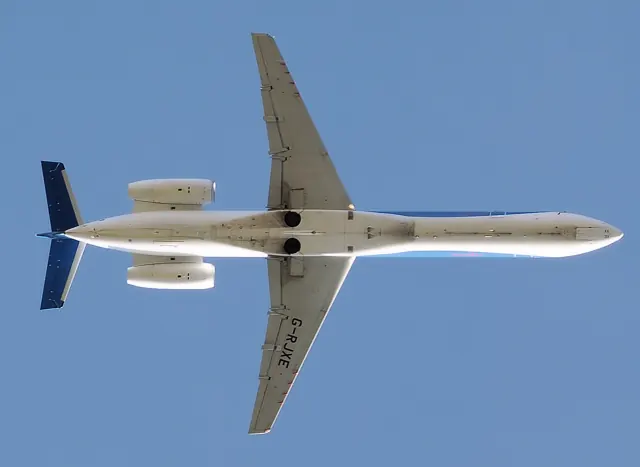
Embraer's regional-jet family, from the ERJ 135 to the longer ERJ 145.
A 1920s flying boat with two engines arranged in tandem above the wing.
This is AirframeDB’s first release. More features and aircraft research are planned. Leave your email if you’d like occasional updates.