MSFS
Fokker 70 / 100 ↗
Two related Dutch regional jets developed from the F28 lineage.
1 implementations+ Compare
Explore the aircraft. Find your simulator. Follow the sources.
Two related Dutch regional jets developed from the F28 lineage.
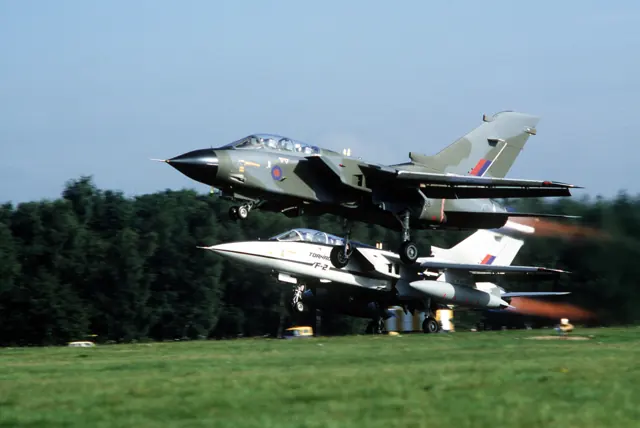
A European variable-sweep combat-aircraft family with distinct strike and interceptor versions.
A close-air-support aircraft with a straight wing, twin tail and two widely separated jet engines.
A heavy-lift helicopter built around an open frame and an external working load.
A compact two-seat light aircraft with a high wing and a wide range of development variants.
A swept-wing business jet designed around high subsonic cruise speed.
A post-war Czech light twin with a rounded cabin and engines carried on a low wing.
Tecnam's two-seat, low-wing Sierra, introduced in the early 2000s.
A fixed-wing observation aircraft with a helicopter-like view from its glazed nose.
A composite, low-wing touring single with fixed gear and a turbocharged engine.
A pioneering light helicopter whose bubble cabin and exposed structure became widely recognisable.
A twin-engine business jet designed to retain some of the utility flexibility associated with the PC-12.
A midsize business jet developed by Bombardier’s Learjet division.
Beechcraft's Model 76, designed to introduce pilots to twin-engine flying.
An enlarged Velocity kit aircraft with a canard and rear-mounted pusher propeller.
A heavy transport helicopter whose two large rotors remove the need for a tail rotor.
A Swedish reconnaissance and dive-bombing aircraft from the early 1940s.
An open, single-seat ultralight with its propeller behind the pilot.
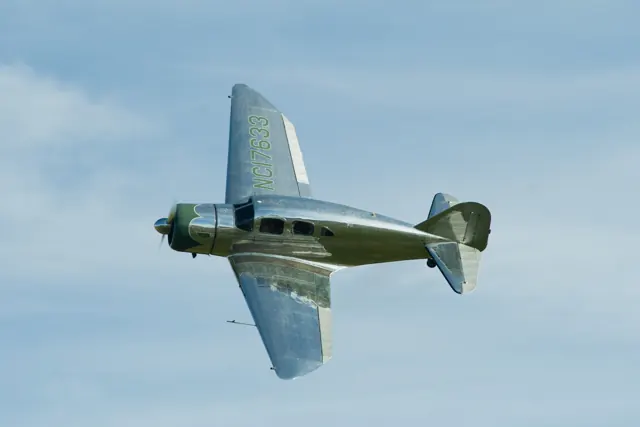
A late-1930s cabin aircraft with metal construction and retractable landing gear.
A push-pull twin with one engine at each end of the central fuselage.
A twin-turboprop utility aircraft developed by Reims Aviation with Cessna.
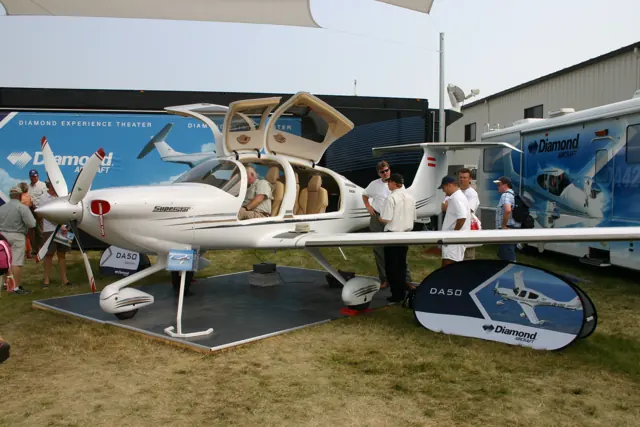
A five-seat composite single whose development led to the diesel DA50 RG.
A light turbine helicopter combining an Alouette II airframe with more powerful Alouette III components.
A modern utility single whose family includes both tailwheel and nosewheel configurations.
This is AirframeDB’s first release. More features and aircraft research are planned. Leave your email if you’d like occasional updates.