X-Plane
Cessna Citation X ↗
A swept-wing business jet designed around high subsonic cruise speed.
1 implementations+ Compare
Explore the aircraft. Find your simulator. Follow the sources.
A swept-wing business jet designed around high subsonic cruise speed.
TorqueSim's Pocket Rocket, a simulated PT6-powered light aircraft with two gear layouts.
A small two-seat piston helicopter with a two-bladed main rotor.
A tailwheel utility single built around a high wing and a substantial working cabin.
A single-seat aerobatic monoplane that also became a familiar air-racing aircraft.
A four-engine Airbus wide-body developed in parallel with the A330.
A lightweight pusher family with an enclosed cabin and a high, braced wing.
A five-seat turbine helicopter developed from Robinson's smaller piston-helicopter line.
A six-engine heavy transport created for exceptionally large external and internal loads.
A radial-engine trainer that also served in combat and civilian warbird roles.
A fixed-gear twin turboprop with a long history in regional and remote-area transport.
A twin-turboprop utility aircraft developed by Reims Aviation with Cessna.
Airbus's first production aircraft, built around a twin-engine wide-body layout.
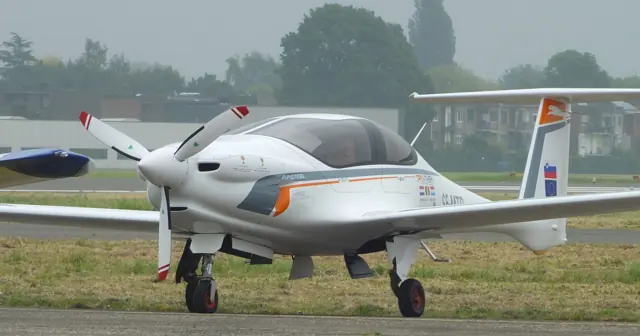
Pipistrel's streamlined four-seat composite-aircraft design.
A short-field Savage with leading-edge slats and a distinct Got Friends simulator implementation.
An advanced trainer known around the world as the Texan, Harvard and SNJ.
A modern utility single whose family includes both tailwheel and nosewheel configurations.
A carrier-capable multirole fighter, larger than the earlier Hornet from which it developed.
An enlarged Velocity kit aircraft with a canard and rear-mounted pusher propeller.
A small twin-engine amphibian that moved from business transport into military and utility service.
Beechcraft's Model 76, designed to introduce pilots to twin-engine flying.
A twin-turbine Huey descendant with a four-blade main rotor.
A long-running touring single, familiar in both V-tail and conventional-tail forms.
A 1920s flying boat with two engines arranged in tandem above the wing.
This is AirframeDB’s first release. More features and aircraft research are planned. Leave your email if you’d like occasional updates.