MSFS
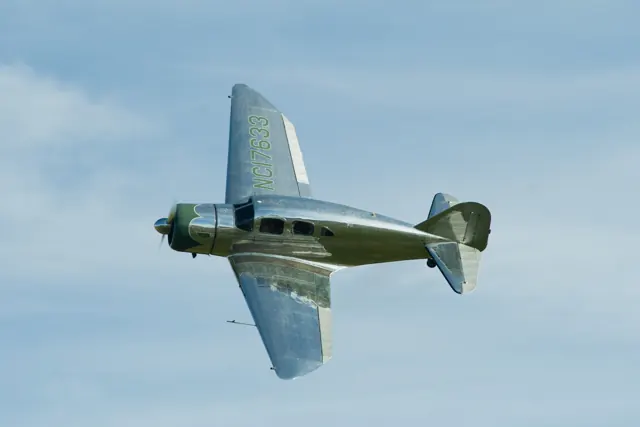
Spartan 7W Executive ↗
A late-1930s cabin aircraft with metal construction and retractable landing gear.
1 implementations+ Compare
Explore the aircraft. Find your simulator. Follow the sources.
A late-1930s cabin aircraft with metal construction and retractable landing gear.
A push-pull twin with one engine at each end of the central fuselage.
A tandem-seat homebuilt jet with composite construction and retractable landing gear.
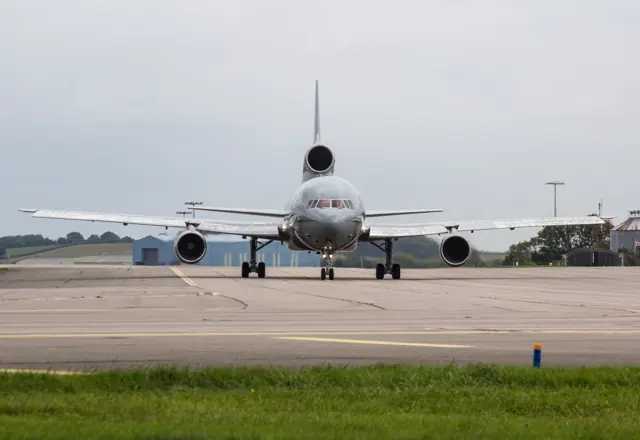
Lockheed's wide-body TriStar, with three RB211 engines and a distinctive tail intake.
A utility piston twin designed for commuter and specialist transport missions.
The H130 utility helicopter, descended from the AS350 and fitted with a Fenestron.
An open-cockpit biplane trainer that found a second life in civilian flying.
A family of single-aisle airliners built around sidesticks, electronic flight controls and a shared cockpit.
A four-seat composite touring and training aircraft developed from Diamond's smaller two-seater.
A corrugated-metal transport best known in its three-engine form.
A compact Czech touring aircraft with side-by-side seats and a streamlined low-wing airframe.
A specialised reconnaissance aircraft designed for very high altitude and sustained supersonic flight.
A twin-turboprop utility aircraft developed by Reims Aviation with Cessna.
Diamond's four-seat light twin, developed with diesel-powered versions.
An enclosed, two-seat autogyro with side-by-side seating and a pusher propeller.
A low-wing agricultural Cessna with a cockpit and hopper arranged around the job.
A compact twin-engine helicopter widely used for medical, police and training work.
A box-shaped utility twin whose cabin and rear access are central to its design.
The Huey: a turbine-powered utility helicopter with a broad cabin and an unmistakable two-bladed rotor.
Cessna's retractable-gear Centurion, a high-wing touring aircraft.
A single-engine turboprop workhorse for passenger services, freight and remote-area transport.
A military transport developed from the DC-3, used for cargo, troops, parachuting and glider towing.
A long-range twin whose programme emphasised composite construction and more electrically powered systems.
A stretched development of the DC-9 with rear-mounted engines and a five-abreast cabin.
This is AirframeDB’s first release. More features and aircraft research are planned. Leave your email if you’d like occasional updates.