X-Plane
McDonnell Douglas MD-80 / MD-82 ↗
A stretched development of the DC-9 with rear-mounted engines and a five-abreast cabin.
3 implementations+ Compare
Explore the aircraft. Find your simulator. Follow the sources.
A stretched development of the DC-9 with rear-mounted engines and a five-abreast cabin.
A long-haul twin whose family spans passenger, freight and specialist transport roles.
A regional turboprop family whose short early versions and larger Q400 have different proportions and systems.
A small two-seat piston helicopter with a two-bladed main rotor.
A personal jet with one engine above the rear fuselage and a distinctive V-tail.
The four-engine Flying Fortress, a major American bomber of the Second World War.
A low-wing piston twin that carries the Beechcraft touring-aircraft lineage into two-engine flying.
An advanced trainer known around the world as the Texan, Harvard and SNJ.
An open-cockpit biplane trainer that found a second life in civilian flying.
A three-engine airliner that became a mainstay of Soviet and Russian passenger transport.
Beechcraft's Model 76, designed to introduce pilots to twin-engine flying.
A six-seat composite single turboprop with a pressurised cabin and retractable gear.
A small observation-helicopter family with a rounded cabin and compact rotor system.
A British utility twin built around short regional and practical transport work.
Diamond's four-seat light twin, developed with diesel-powered versions.
A tandem-seat homebuilt jet with composite construction and retractable landing gear.
A military liaison aircraft built around a high wing, tandem cabin and short-field utility work.
A radial-engine trainer that also served in combat and civilian warbird roles.
The Mitchell medium bomber, named for aviation advocate Billy Mitchell.
Piper's two-seat trainer with fixed tricycle landing gear.
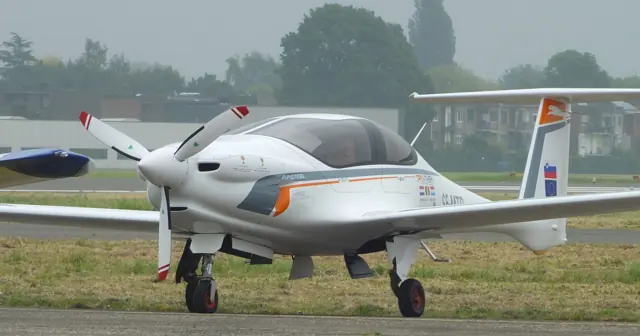
Pipistrel's streamlined four-seat composite-aircraft design.
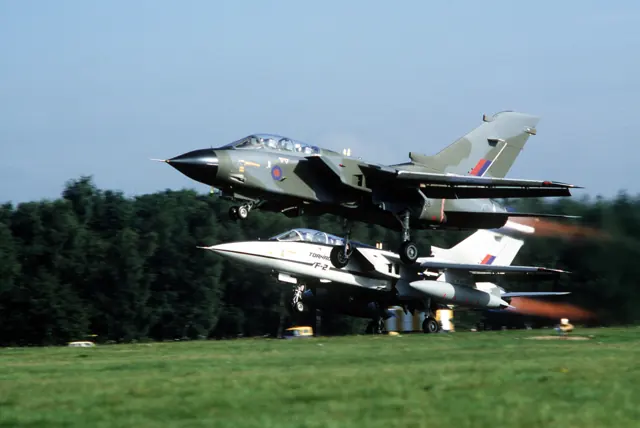
A European variable-sweep combat-aircraft family with distinct strike and interceptor versions.
A family of single-aisle airliners built around sidesticks, electronic flight controls and a shared cockpit.
A push-pull twin with one engine at each end of the central fuselage.
This is AirframeDB’s first release. More features and aircraft research are planned. Leave your email if you’d like occasional updates.