X-Plane
Boeing 757 ↗
A narrow-body twin developed as a new generation of medium-range airliner.
1 implementations+ Compare
Explore the aircraft. Find your simulator. Follow the sources.
A narrow-body twin developed as a new generation of medium-range airliner.
A vast inter-war flying boat with twelve engines arranged in six paired installations.
Beechcraft's Model 76, designed to introduce pilots to twin-engine flying.
A compact rear-engined jet designed for short-haul regional airline work.
A regional jet family with four small engines, a high wing and a large split tail airbrake.
A tandem-seat light aircraft with a streamlined low-wing layout.
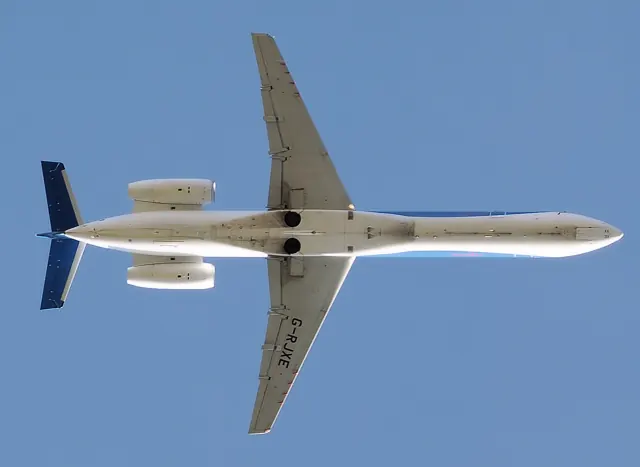
Embraer's regional-jet family, from the ERJ 135 to the longer ERJ 145.
A long-range trijet developed from the DC-10 with a stretched fuselage and revised wing and cockpit.
A Swedish reconnaissance and dive-bombing aircraft from the early 1940s.
A regional turboprop family whose short early versions and larger Q400 have different proportions and systems.
The purpose-built Ryan monoplane used by Charles Lindbergh for his 1927 solo Atlantic crossing.
A box-shaped utility twin whose cabin and rear access are central to its design.
Piper's PA-31 utility twin, used in commuter, cargo and corporate transport.
A fixed-wing observation aircraft with a helicopter-like view from its glazed nose.
A light business jet with a swept wing, rear-mounted engines and an integrated flight deck.
A tailwheel utility single built around a high wing and a substantial working cabin.
A small twin-engine amphibian that moved from business transport into military and utility service.
A modern utility single whose family includes both tailwheel and nosewheel configurations.
A large twin-engine helicopter from the Super Puma line, used for offshore and public-service work.
Tecnam's four-seat high-wing single, built with metal and carbon-fibre components.
Avro's delta-wing bomber, developed for Britain's postwar strategic force.
Airbus's first production aircraft, built around a twin-engine wide-body layout.
A personal jet with one engine above the rear fuselage and a distinctive V-tail.
An open-cockpit biplane trainer that found a second life in civilian flying.
This is AirframeDB’s first release. More features and aircraft research are planned. Leave your email if you’d like occasional updates.