MSFS
Lockheed L-1011 TriStar ↗
Lockheed's wide-body TriStar, with three RB211 engines and a distinctive tail intake.
1 implementations+ Compare
Explore the aircraft. Find your simulator. Follow the sources.
Lockheed's wide-body TriStar, with three RB211 engines and a distinctive tail intake.
A four-bladed utility helicopter developed from the LongRanger lineage.
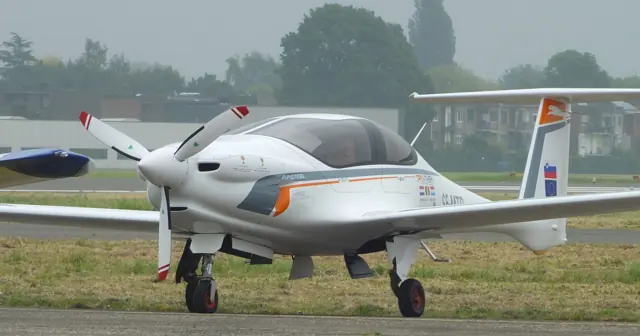
Pipistrel's streamlined four-seat composite-aircraft design.
A four-seat composite touring and training aircraft developed from Diamond's smaller two-seater.
A compact racing aeroplane built around a large radial engine and very short fuselage.
A large twin-engine helicopter from the Super Puma line, used for offshore and public-service work.
A small twin-engine amphibian that moved from business transport into military and utility service.
A single-seat aerobatic monoplane that also became a familiar air-racing aircraft.
A Canadian tandem-seat trainer developed after the Second World War.
A twin-turbine Huey descendant with a four-blade main rotor.
A personal jet with one engine above the rear fuselage and a distinctive V-tail.
A compact Czech touring aircraft with side-by-side seats and a streamlined low-wing airframe.
A high-wing twin turboprop developed for regional freight and passenger transport.
Cessna's retractable-gear Centurion, a high-wing touring aircraft.
A super-midsize business jet with a swept wing, rear-mounted engines and an integrated glass cockpit.
Mooney's four-seat piston family, developed through many touring-aircraft variants.
A compact utility helicopter distinguished by its enclosed Fenestron tail rotor.
A short-haul jet family that evolved through several generations of engines, wings and flight decks.
A high-wing utility aircraft known for short-field work and a broad choice of working configurations.
A streamlined twin-engine helicopter with a Fenestron tail rotor and retractable landing gear.
A long-range twin designed around a new wide-body airframe and extensive composite construction.
A wide-cabin business-jet family that developed from Canadair's original Challenger programme.
The CJ4 belongs to Cessna's light-jet line, with two rear-mounted engines and a T-tail.
A wooden touring-aircraft family recognisable by the upward-angled outer wing panels.
This is AirframeDB’s first release. More features and aircraft research are planned. Leave your email if you’d like occasional updates.