MSFS
CubCrafters XCub ↗
A modern utility single whose family includes both tailwheel and nosewheel configurations.
4 implementations+ Compare
Explore the aircraft. Find your simulator. Follow the sources.
A modern utility single whose family includes both tailwheel and nosewheel configurations.
A 1920s transport family that developed from a single-engine airliner into a trimotor.
A small two-seat piston helicopter with a two-bladed main rotor.
A tandem-seat homebuilt jet with composite construction and retractable landing gear.
A compact twin-engine helicopter widely used for medical, police and training work.
A three-engine airliner that became a mainstay of Soviet and Russian passenger transport.
A six-seat composite single turboprop with a pressurised cabin and retractable gear.
A single-engine turboprop workhorse for passenger services, freight and remote-area transport.
A French two-seat aerobatic trainer with side-by-side seating and a distinctive curved wing outline.
A family of single-aisle airliners built around sidesticks, electronic flight controls and a shared cockpit.
Regional flying built around a high wing, two turboprops and short sectors.
A large long-haul twin that introduced Boeing's first commercial fly-by-wire airliner flight controls.
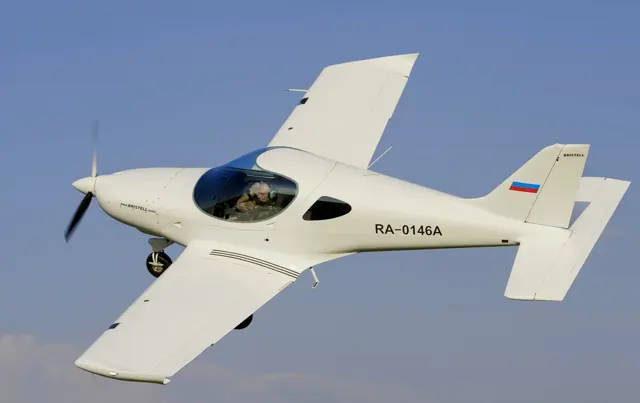
BRM Aero's two-seat B23, represented in MSFS by Airfoillabs.
A modern two-seat piston helicopter designed around the training role.
A close-air-support aircraft with a straight wing, twin tail and two widely separated jet engines.
A short-haul jet family that evolved through several generations of engines, wings and flight decks.
A two-seat training single with a high wing and fixed tricycle landing gear.
The four-engine wide-body whose raised flight deck created one of aviation's most recognisable profiles.
A twin-engine business jet designed to retain some of the utility flexibility associated with the PC-12.
A twin-turboprop utility aircraft developed by Reims Aviation with Cessna.
A regional jet family with four small engines, a high wing and a large split tail airbrake.
A British jet trainer with tandem seating and a long military training career.
A long-range trijet developed from the DC-10 with a stretched fuselage and revised wing and cockpit.
The Wilga is the real-aircraft starting point for Mike Patey's DRACO and the simulator's DRACO X.
This is AirframeDB’s first release. More features and aircraft research are planned. Leave your email if you’d like occasional updates.