MSFS
Grumman G-21A Goose ↗
A small twin-engine amphibian that moved from business transport into military and utility service.
2 implementations+ Compare
Explore the aircraft. Find your simulator. Follow the sources.
A small twin-engine amphibian that moved from business transport into military and utility service.
A two-seat, twin-engine fighter that served naval and land-based air forces in many roles.
A box-shaped utility twin whose cabin and rear access are central to its design.
A modern composite twin with a roomy cabin and two wing-mounted piston engines.
An enclosed-cabin development of the Bell 47, shaped for passenger and executive transport.
A short-haul jet family that evolved through several generations of engines, wings and flight decks.
A two-seat composite trainer with a low wing and a large canopy.
A French two-seat aerobatic trainer with side-by-side seating and a distinctive curved wing outline.
The Huey: a turbine-powered utility helicopter with a broad cabin and an unmistakable two-bladed rotor.
The Wilga is the real-aircraft starting point for Mike Patey's DRACO and the simulator's DRACO X.
A corrugated-metal transport best known in its three-engine form.
A cabin-class piston twin designed for commuter, cargo and utility work.
A huge wooden flying-boat prototype that made one brief flight in 1947.
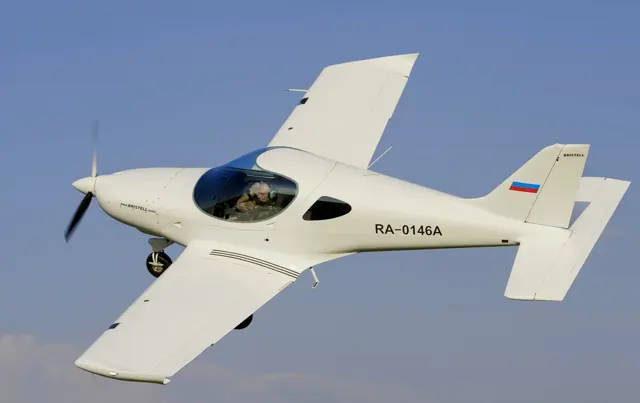
BRM Aero's two-seat B23, represented in MSFS by Airfoillabs.
A single-engine utility helicopter known as the Écureuil, Squirrel and AStar.
A military transport developed from the DC-3, used for cargo, troops, parachuting and glider towing.
A modern utility single whose family includes both tailwheel and nosewheel configurations.
A four-seat kit-built touring aircraft that expanded the RV family beyond two-seat designs.
A twin-turboprop utility aircraft developed by Reims Aviation with Cessna.
A large twin-engine helicopter from the Super Puma line, used for offshore and public-service work.
A wide-cabin business-jet family that developed from Canadair's original Challenger programme.
An enlarged Velocity kit aircraft with a canard and rear-mounted pusher propeller.
A push-pull twin with one engine at each end of the central fuselage.
An advanced trainer known around the world as the Texan, Harvard and SNJ.
This is AirframeDB’s first release. More features and aircraft research are planned. Leave your email if you’d like occasional updates.