X-Plane
McDonnell Douglas F-4 Phantom II ↗
A two-seat, twin-engine fighter that served naval and land-based air forces in many roles.
2 implementations+ Compare
Explore the aircraft. Find your simulator. Follow the sources.
A two-seat, twin-engine fighter that served naval and land-based air forces in many roles.
A tandem-seat homebuilt jet with composite construction and retractable landing gear.
A long-range fighter whose different engine and canopy developments produced several distinct forms.
The Mitchell medium bomber, named for aviation advocate Billy Mitchell.
A single-engine utility helicopter known as the Écureuil, Squirrel and AStar.
Piper's PA-31 utility twin, used in commuter, cargo and corporate transport.
A long-range twin designed around a new wide-body airframe and extensive composite construction.
A very light twin jet developed from the Eclipse 500.
A long-range trijet developed from the DC-10 with a stretched fuselage and revised wing and cockpit.
A compact twin-engine transport helicopter with retractable gear and a long development history.
A low-wing piston twin that carries the Beechcraft touring-aircraft lineage into two-engine flying.
A Polish utility aircraft designed for short takeoffs and landings.
Piper's two-seat trainer with fixed tricycle landing gear.
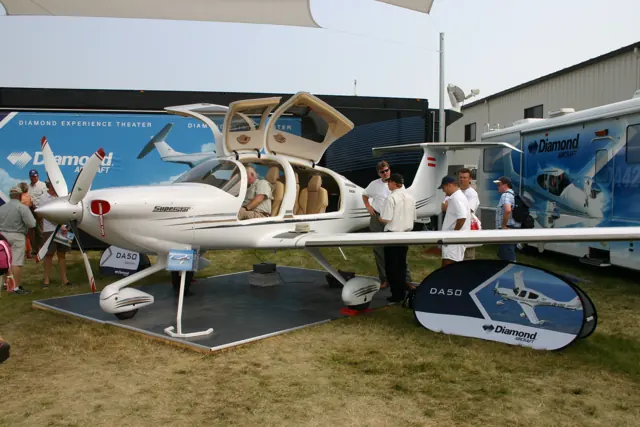
A five-seat composite single whose development led to the diesel DA50 RG.
An open-cockpit biplane trainer that found a second life in civilian flying.
A regional jet family with four small engines, a high wing and a large split tail airbrake.
A wooden touring-aircraft family recognisable by the upward-angled outer wing panels.
The Stationair utility family, combining a high wing with fixed landing gear.
The four-engine wide-body whose raised flight deck created one of aviation's most recognisable profiles.
A Canadian tandem-seat trainer developed after the Second World War.
Mooney's four-seat piston family, developed through many touring-aircraft variants.
A four-engine tactical transport built around a rear loading ramp and access to austere airfields.
A push-pull twin with one engine at each end of the central fuselage.
Cirrus's first type-certified aircraft, a composite piston single.
This is AirframeDB’s first release. More features and aircraft research are planned. Leave your email if you’d like occasional updates.