MSFS
Cessna 404 Titan ↗
A cabin-class piston twin designed for commuter, cargo and utility work.
1 implementations+ Compare
Explore the aircraft. Find your simulator. Follow the sources.
A cabin-class piston twin designed for commuter, cargo and utility work.
A long-running touring single, familiar in both V-tail and conventional-tail forms.
An enlarged Velocity kit aircraft with a canard and rear-mounted pusher propeller.
An unpowered military cargo glider designed to deliver troops and equipment behind a tow aircraft.
A streamlined twin-engine helicopter with a Fenestron tail rotor and retractable landing gear.
The Stationair utility family, combining a high wing with fixed landing gear.
A single-engine turboprop workhorse for passenger services, freight and remote-area transport.
A twin-turboprop regional airliner developed through Swedish and American industrial cooperation.
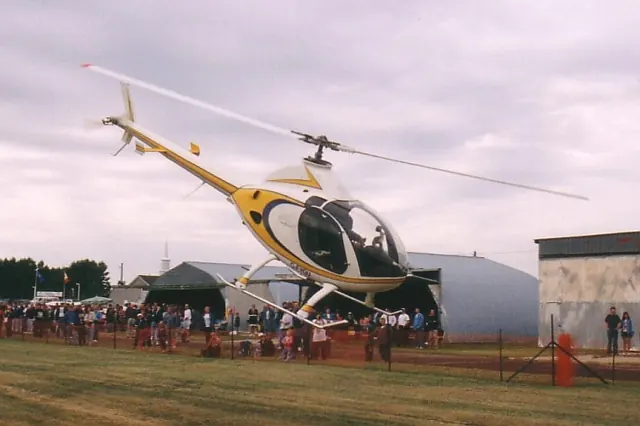
RotorWay's two-seat kit-helicopter family, with piston and turbine simulator interpretations.
A single-seat aerobatic monoplane that also became a familiar air-racing aircraft.
A regional turboprop family whose short early versions and larger Q400 have different proportions and systems.
The Model 525 CitationJet, the starting point of Cessna's CJ and M2 lineage.
Dassault's long-range Falcon 8X, developed from the three-engine 7X.
A short-field Savage with leading-edge slats and a distinct Got Friends simulator implementation.
A stretched development of the DC-9 with rear-mounted engines and a five-abreast cabin.
A pressurised twin turboprop with a canard, composite airframe and rear-facing propellers.
A turbine-powered utility helicopter with a broad cabin and a long international service history.
Beechcraft's Model 76, designed to introduce pilots to twin-engine flying.
A compact racing aeroplane built around a large radial engine and very short fuselage.
A long-haul twin whose family spans passenger, freight and specialist transport roles.
A radial-engined utility aircraft closely associated with bush flying and float operations.
A corrugated-metal, three-engine transport from the formative years of airline travel.
The second-generation Harrier, designed around vectored thrust and short-field operation.
A long-range twin whose programme emphasised composite construction and more electrically powered systems.
This is AirframeDB’s first release. More features and aircraft research are planned. Leave your email if you’d like occasional updates.