MSFS
Airbus H160 ↗
A modern medium twin-engine helicopter developed as a successor to the Dauphin line.
1 implementations+ Compare
Explore the aircraft. Find your simulator. Follow the sources.
A modern medium twin-engine helicopter developed as a successor to the Dauphin line.
A compact Japanese twin turboprop with a high wing and pressurised cabin.
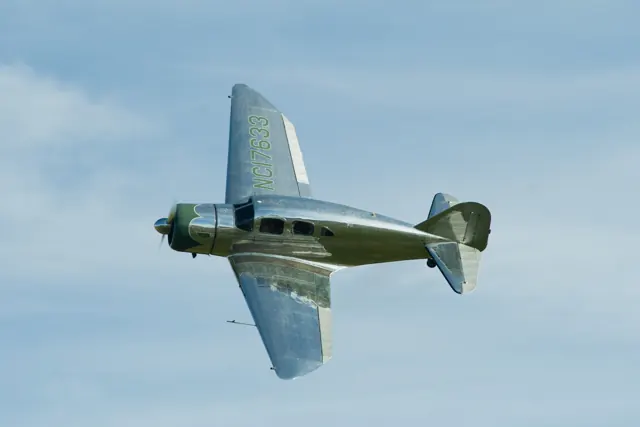
A late-1930s cabin aircraft with metal construction and retractable landing gear.
A large twin-engine helicopter from the Super Puma line, used for offshore and public-service work.
A two-seat light amphibian with a compact boat hull and a pusher propeller.
A carbon-fibre aerobatic monoplane family with a dedicated air-racing branch.
A large twin-radial transport that carried heavy loads through wartime and post-war freight service.
A light turbine helicopter whose land-based Scout and naval Wasp branches served different jobs.
A close-air-support aircraft with a straight wing, twin tail and two widely separated jet engines.
A composite amphibian that carries Dornier's centreline engine arrangement into the turboprop era.
A low-wing piston family that spans simple trainers, touring aircraft and retractable-gear Arrows.
An open, single-seat ultralight with its propeller behind the pilot.
A radial-engine trainer that also served in combat and civilian warbird roles.
A heavy transport helicopter whose two large rotors remove the need for a tail rotor.
A twin-engine business jet designed to retain some of the utility flexibility associated with the PC-12.
A box-shaped utility twin whose cabin and rear access are central to its design.
A streamlined twin-engine helicopter with a Fenestron tail rotor and retractable landing gear.
A First World War trainer that became a familiar sight in the barnstorming era.
A regional jet family with four small engines, a high wing and a large split tail airbrake.
A French two-seat aerobatic trainer with side-by-side seating and a distinctive curved wing outline.
A four-seat kit-built touring aircraft that expanded the RV family beyond two-seat designs.
An advanced trainer known around the world as the Texan, Harvard and SNJ.
A four-seat high-wing single that spans generations of conventional instruments and glass cockpits.
A four-engine Airbus wide-body developed in parallel with the A330.
This is AirframeDB’s first release. More features and aircraft research are planned. Leave your email if you’d like occasional updates.