MSFS
Airbus H160 ↗
A modern medium twin-engine helicopter developed as a successor to the Dauphin line.
1 implementations+ Compare
Explore the aircraft. Find your simulator. Follow the sources.
A modern medium twin-engine helicopter developed as a successor to the Dauphin line.
A two-seat light amphibian with a compact boat hull and a pusher propeller.
A regional jet family with four small engines, a high wing and a large split tail airbrake.
A tandem two-seat sailplane designed for instruction and broader soaring use.
The CJ4 belongs to Cessna's light-jet line, with two rear-mounted engines and a T-tail.
A Brazilian light trainer with a high wing, tandem seats and a simple utility layout.
Ted Smith's piston twin, later produced by Piper as the Aerostar.
Lockheed's tandem-seat Shooting Star jet trainer.
Tecnam's two-seat, low-wing Sierra, introduced in the early 2000s.
A large amphibious flying boat built around maritime rescue and utility transport.
A retractable-gear touring single with an all-metal airframe and a long-lived enthusiast following.
A tandem-seat light aircraft with a streamlined low-wing layout.
A four-engine tactical transport built around a rear loading ramp and access to austere airfields.
An amphibious turboprop designed around scooping water and delivering it to fires.
A twin-turboprop regional airliner developed through Swedish and American industrial cooperation.
A push-pull twin with one engine at each end of the central fuselage.
A six-engine flying boat created for long-distance passenger travel over water.
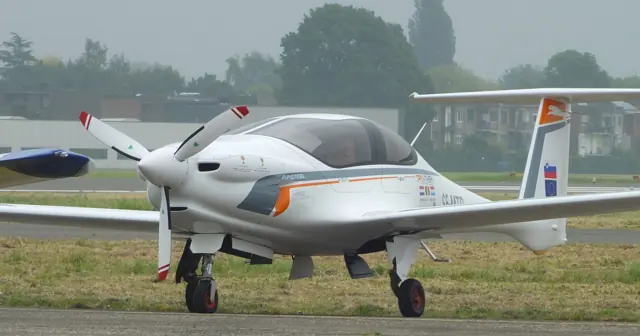
Pipistrel's streamlined four-seat composite-aircraft design.
A four-engine airliner that brought pressurised-cabin travel into scheduled service.
A composite amphibian that carries Dornier's centreline engine arrangement into the turboprop era.
Piper's two-seat trainer with fixed tricycle landing gear.
A light tandem-seat taildragger built around the familiar braced high-wing layout.
A long-range trijet developed from the DC-10 with a stretched fuselage and revised wing and cockpit.
A short-haul jet family that evolved through several generations of engines, wings and flight decks.
This is AirframeDB’s first release. More features and aircraft research are planned. Leave your email if you’d like occasional updates.