MSFS
Saab 17 B ↗
A Swedish reconnaissance and dive-bombing aircraft from the early 1940s.
1 implementations+ Compare
Explore the aircraft. Find your simulator. Follow the sources.
A Swedish reconnaissance and dive-bombing aircraft from the early 1940s.
Dassault's long-range Falcon 8X, developed from the three-engine 7X.
A super-midsize business jet with a swept wing, rear-mounted engines and an integrated glass cockpit.
A vast inter-war flying boat with twelve engines arranged in six paired installations.
Beechcraft's Model 76, designed to introduce pilots to twin-engine flying.
A tandem-seat utility aircraft whose light structure and high wing suit bush, towing and recreational work.
The Wilga is the real-aircraft starting point for Mike Patey's DRACO and the simulator's DRACO X.
A small observation-helicopter family with a rounded cabin and compact rotor system.
A carbon-fibre aerobatic monoplane family with a dedicated air-racing branch.
Tecnam's two-seat, low-wing Sierra, introduced in the early 2000s.
An all-metal sport and touring aircraft from Bayerische Flugzeugwerke.
The H130 utility helicopter, descended from the AS350 and fitted with a Fenestron.
A light turbine helicopter combining an Alouette II airframe with more powerful Alouette III components.
A twin-radial airliner that helped make practical passenger transport a regular business.
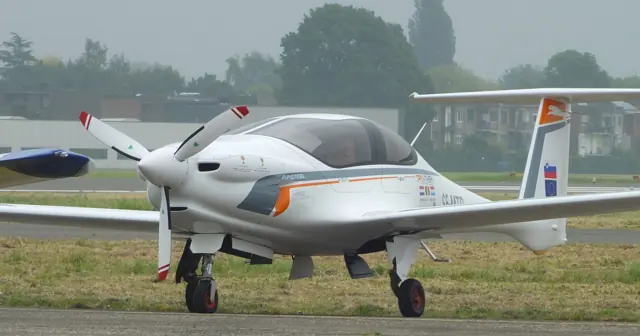
Pipistrel's streamlined four-seat composite-aircraft design.
A radial-engine trainer that also served in combat and civilian warbird roles.
Piper's two-seat trainer with fixed tricycle landing gear.
A wartime fighter developed from the earlier Curtiss P-36.
A five-seat composite single whose development led to the diesel DA50 RG.
A tandem two-seat sailplane designed for instruction and broader soaring use.
The Huey: a turbine-powered utility helicopter with a broad cabin and an unmistakable two-bladed rotor.
A light turbine helicopter whose land-based Scout and naval Wasp branches served different jobs.
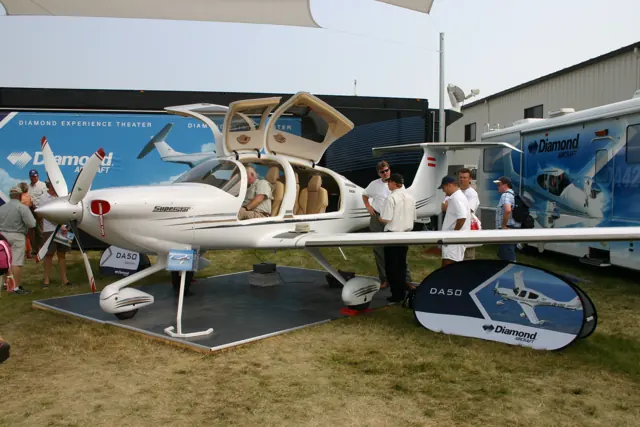
Diamond's four-seat light twin, developed with diesel-powered versions.
A twin-turboprop family whose smaller conventional-tail and larger T-tail branches have distinct identities.
This is AirframeDB’s first release. More features and aircraft research are planned. Leave your email if you’d like occasional updates.