MSFS X-Plane
North American P-51 Mustang ↗
A long-range fighter whose different engine and canopy developments produced several distinct forms.
2 implementations+ Compare
Explore the aircraft. Find your simulator. Follow the sources.
A long-range fighter whose different engine and canopy developments produced several distinct forms.
A pressurised touring twin whose piston and turbine-conversion versions make a particularly interesting comparison.
A French two-seat aerobatic trainer with side-by-side seating and a distinctive curved wing outline.
An enlarged Velocity kit aircraft with a canard and rear-mounted pusher propeller.
A large long-haul twin that introduced Boeing's first commercial fly-by-wire airliner flight controls.
A very large single-engine biplane designed for practical work from modest airfields.
A three-engine airliner that became a mainstay of Soviet and Russian passenger transport.
A tandem-seat light aircraft with a streamlined low-wing layout.
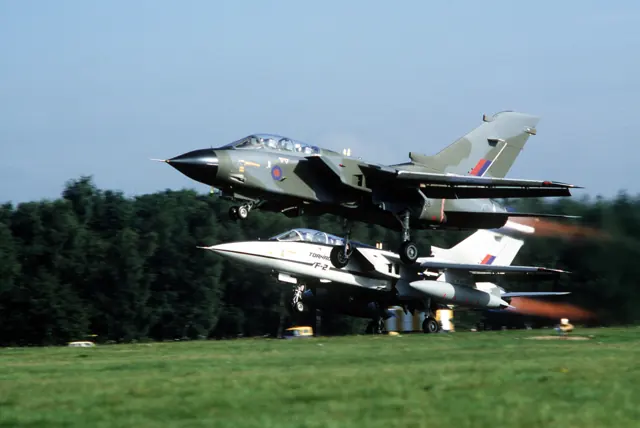
A European variable-sweep combat-aircraft family with distinct strike and interceptor versions.
A long-range twin whose programme emphasised composite construction and more electrically powered systems.
The purpose-built Ryan monoplane used by Charles Lindbergh for his 1927 solo Atlantic crossing.
A modern medium twin-engine helicopter developed as a successor to the Dauphin line.
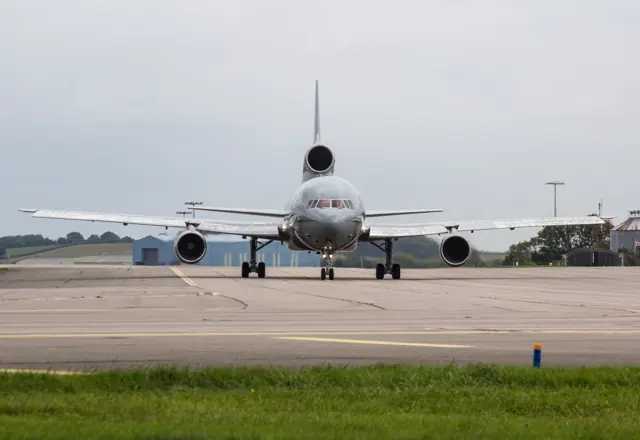
Lockheed's wide-body TriStar, with three RB211 engines and a distinctive tail intake.
A compact two-seat light aircraft with a high wing and a wide range of development variants.
A two-seat composite light-aircraft family with a high wing and a compact enclosed cabin.
A purpose-built agricultural aircraft that also became a single-engine air tanker.
A regional jet family with four small engines, a high wing and a large split tail airbrake.
A compact Japanese twin turboprop with a high wing and pressurised cabin.
A six-seat composite single turboprop with a pressurised cabin and retractable gear.
A modern utility single whose family includes both tailwheel and nosewheel configurations.
The second-generation Harrier, designed around vectored thrust and short-field operation.
A shorter wide-body Airbus from the transition to two-pilot, electronic-instrument cockpits.
The CJ4 belongs to Cessna's light-jet line, with two rear-mounted engines and a T-tail.
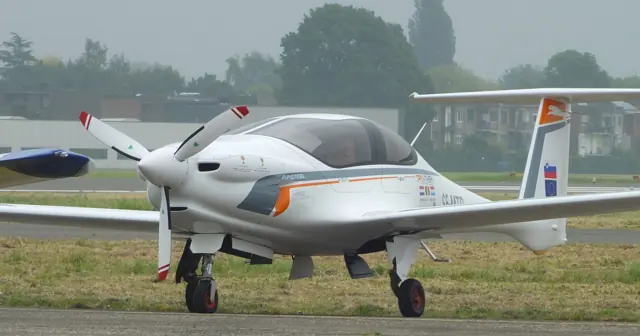
Pipistrel's streamlined four-seat composite-aircraft design.
This is AirframeDB’s first release. More features and aircraft research are planned. Leave your email if you’d like occasional updates.