MSFS
Grumman G-21A Goose ↗
A small twin-engine amphibian that moved from business transport into military and utility service.
2 implementations+ Compare
Explore the aircraft. Find your simulator. Follow the sources.
A small twin-engine amphibian that moved from business transport into military and utility service.
A four-engine tactical transport built around a rear loading ramp and access to austere airfields.
A 1920s flying boat with two engines arranged in tandem above the wing.
TorqueSim's Pocket Rocket, a simulated PT6-powered light aircraft with two gear layouts.
A post-war Businessliner with a radial engine, cabin transport ambitions and tailwheel gear.
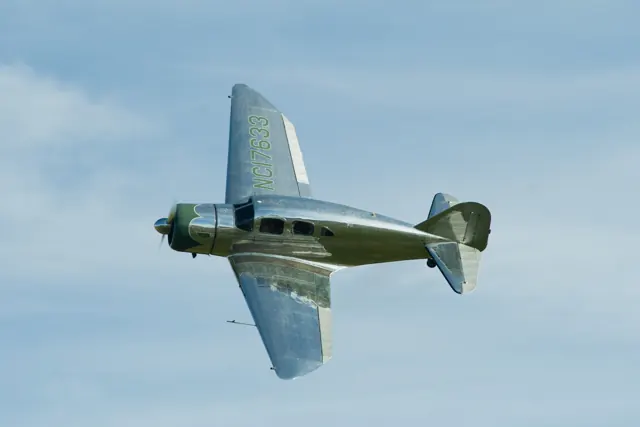
A late-1930s cabin aircraft with metal construction and retractable landing gear.
The Stationair utility family, combining a high wing with fixed landing gear.
A First World War trainer that became a familiar sight in the barnstorming era.
A composite touring single with a whole-aircraft parachute and several generations of avionics.
A self-launching sailplane family with its engine inside the fuselage and a folding nose propeller.
A long-range twin designed around a new wide-body airframe and extensive composite construction.
A compact aerobatic biplane family with both single-seat and tandem-seat branches.
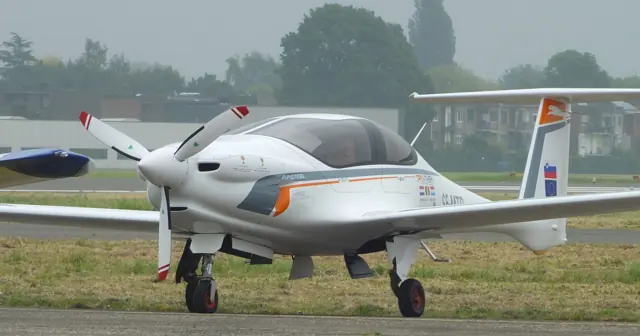
Pipistrel's streamlined four-seat composite-aircraft design.
A twin-aisle Boeing designed alongside the 757's generation of two-pilot flight decks.
A twin-radial airliner that helped make practical passenger transport a regular business.
An advanced trainer known around the world as the Texan, Harvard and SNJ.
An enclosed-cabin development of the Bell 47, shaped for passenger and executive transport.
A box-shaped utility twin whose cabin and rear access are central to its design.
A super-midsize business jet with a swept wing, rear-mounted engines and an integrated glass cockpit.
A purpose-built agricultural aircraft that also became a single-engine air tanker.
The second-generation Harrier, designed around vectored thrust and short-field operation.
A compact Japanese twin turboprop with a high wing and pressurised cabin.
The Wilga is the real-aircraft starting point for Mike Patey's DRACO and the simulator's DRACO X.
A shorter wide-body Airbus from the transition to two-pilot, electronic-instrument cockpits.
This is AirframeDB’s first release. More features and aircraft research are planned. Leave your email if you’d like occasional updates.