X-Plane
McDonnell Douglas MD-80 / MD-82 ↗
A stretched development of the DC-9 with rear-mounted engines and a five-abreast cabin.
3 implementations+ Compare
Explore the aircraft. Find your simulator. Follow the sources.
A stretched development of the DC-9 with rear-mounted engines and a five-abreast cabin.
Airbus's first production aircraft, built around a twin-engine wide-body layout.
Avro's delta-wing bomber, developed for Britain's postwar strategic force.
The Model 525 CitationJet, the starting point of Cessna's CJ and M2 lineage.
The CJ4 belongs to Cessna's light-jet line, with two rear-mounted engines and a T-tail.
A low-wing agricultural Cessna with a cockpit and hopper arranged around the job.
A four-engine military turboprop designed to combine tactical access with long-distance transport.
Cirrus's first type-certified aircraft, a composite piston single.
A wooden touring-aircraft family recognisable by the upward-angled outer wing panels.
An unpowered military cargo glider designed to deliver troops and equipment behind a tow aircraft.
A two-seat light amphibian with a compact boat hull and a pusher propeller.
A 1920s flying boat with two engines arranged in tandem above the wing.
A vast inter-war flying boat with twelve engines arranged in six paired installations.
A modern utility single whose family includes both tailwheel and nosewheel configurations.
A very large single-engine biplane designed for practical work from modest airfields.
A long-range twin whose programme emphasised composite construction and more electrically powered systems.
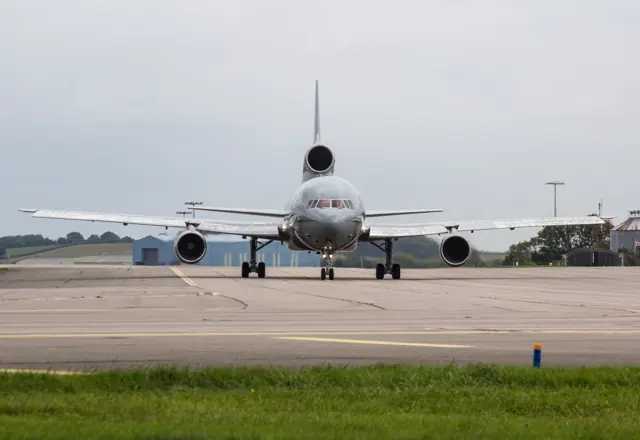
Lockheed's wide-body TriStar, with three RB211 engines and a distinctive tail intake.
The purpose-built Ryan monoplane used by Charles Lindbergh for his 1927 solo Atlantic crossing.
A pressurised touring twin whose piston and turbine-conversion versions make a particularly interesting comparison.
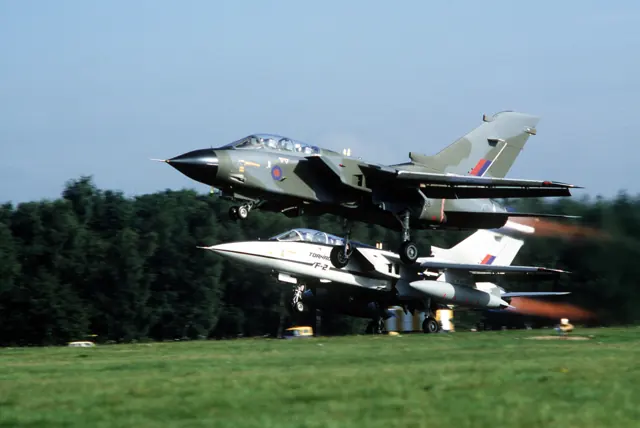
A European variable-sweep combat-aircraft family with distinct strike and interceptor versions.
A high-wing utility turboprop designed for short-field passenger and cargo work.
The H130 utility helicopter, descended from the AS350 and fitted with a Fenestron.
A tailwheel utility single built around a high wing and a substantial working cabin.
The Wilga is the real-aircraft starting point for Mike Patey's DRACO and the simulator's DRACO X.
This is AirframeDB’s first release. More features and aircraft research are planned. Leave your email if you’d like occasional updates.