MSFS
Ryan NYP “Spirit of St. Louis” ↗
The purpose-built Ryan monoplane used by Charles Lindbergh for his 1927 solo Atlantic crossing.
2 implementations+ Compare
Explore the aircraft. Find your simulator. Follow the sources.
The purpose-built Ryan monoplane used by Charles Lindbergh for his 1927 solo Atlantic crossing.
A Polish utility aircraft designed for short takeoffs and landings.
A streamlined twin-engine helicopter with a Fenestron tail rotor and retractable landing gear.
A medium commercial helicopter designed for passenger and utility transport.
A Brazilian light trainer with a high wing, tandem seats and a simple utility layout.
A compact utility helicopter distinguished by its enclosed Fenestron tail rotor.
The four-engine wide-body whose raised flight deck created one of aviation's most recognisable profiles.
A carbon-fibre aerobatic monoplane family with a dedicated air-racing branch.
TorqueSim's Pocket Rocket, a simulated PT6-powered light aircraft with two gear layouts.
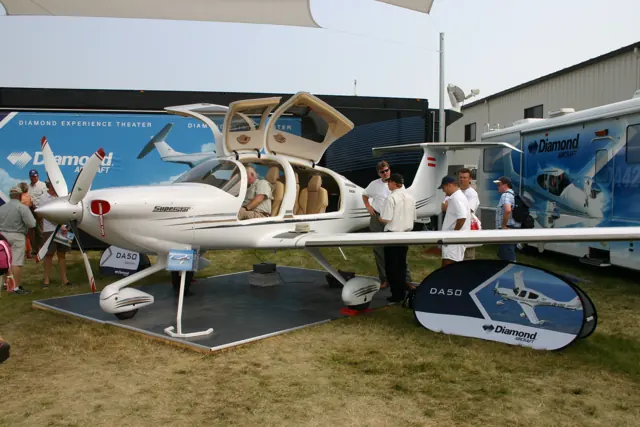
A five-seat composite single whose development led to the diesel DA50 RG.
A wartime fighter developed from the earlier Curtiss P-36.
A low-wing piston twin that carries the Beechcraft touring-aircraft lineage into two-engine flying.
A four-engine jetliner that helped establish the shape of long-distance jet travel.
A six-engine heavy transport created for exceptionally large external and internal loads.
A large long-haul twin that introduced Boeing's first commercial fly-by-wire airliner flight controls.
A light turbine helicopter combining an Alouette II airframe with more powerful Alouette III components.
A British utility twin built around short regional and practical transport work.
A six-seat composite single turboprop with a pressurised cabin and retractable gear.
A British jet trainer with tandem seating and a long military training career.
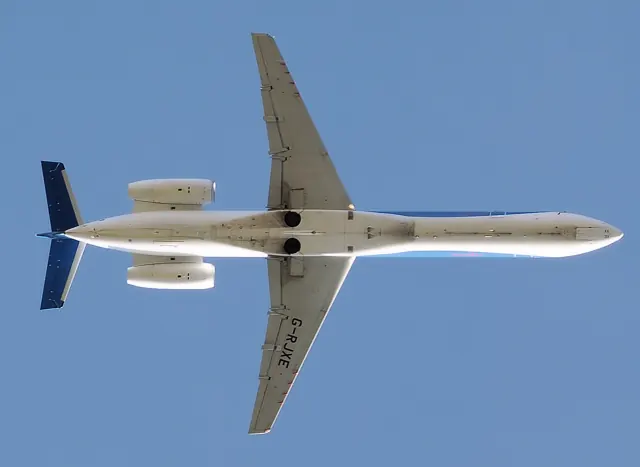
Embraer's regional-jet family, from the ERJ 135 to the longer ERJ 145.
A long-range twin designed around a new wide-body airframe and extensive composite construction.
A pioneering light helicopter whose bubble cabin and exposed structure became widely recognisable.
A twin-turboprop family whose smaller conventional-tail and larger T-tail branches have distinct identities.
This is AirframeDB’s first release. More features and aircraft research are planned. Leave your email if you’d like occasional updates.