MSFS
Robinson R66 ↗
A five-seat turbine helicopter developed from Robinson's smaller piston-helicopter line.
2 implementations+ Compare
Explore the aircraft. Find your simulator. Follow the sources.
A five-seat turbine helicopter developed from Robinson's smaller piston-helicopter line.
A tailwheel utility single built around a high wing and a substantial working cabin.
A very large single-engine biplane designed for practical work from modest airfields.
An Italian light aircraft known for military training and aerobatic use.
The Wilga is the real-aircraft starting point for Mike Patey's DRACO and the simulator's DRACO X.
A long-range strategic bomber with a swept wing and eight jet engines in paired pods.
A light business jet with a swept wing, rear-mounted engines and an integrated flight deck.
A three-engine airliner that became a mainstay of Soviet and Russian passenger transport.
A modern medium twin-engine helicopter developed as a successor to the Dauphin line.
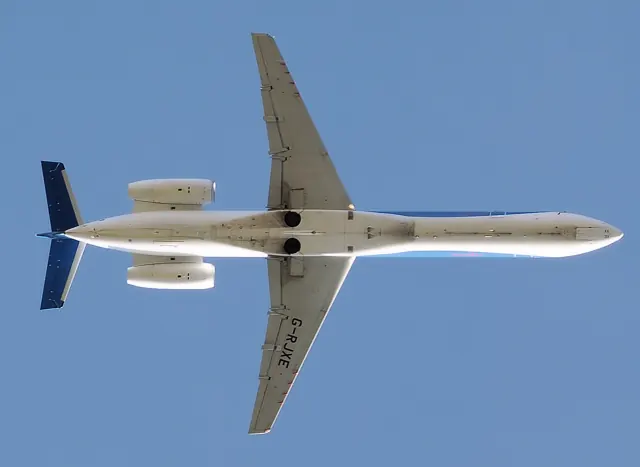
Embraer's regional-jet family, from the ERJ 135 to the longer ERJ 145.
An enclosed-cabin development of the Bell 47, shaped for passenger and executive transport.
A twin-hull flying boat with its engines mounted together above the wing.
A self-launching sailplane family with its engine inside the fuselage and a folding nose propeller.
A four-seat kit-built touring aircraft that expanded the RV family beyond two-seat designs.
A four-seat high-wing single that spans generations of conventional instruments and glass cockpits.
A four-seat composite touring and training aircraft developed from Diamond's smaller two-seater.
The four-engine wide-body whose raised flight deck created one of aviation's most recognisable profiles.
A two-seat composite kit aircraft developed from the Lancair 320.
A small three-engine demonstrator created to explore technologies for a future supersonic airliner.
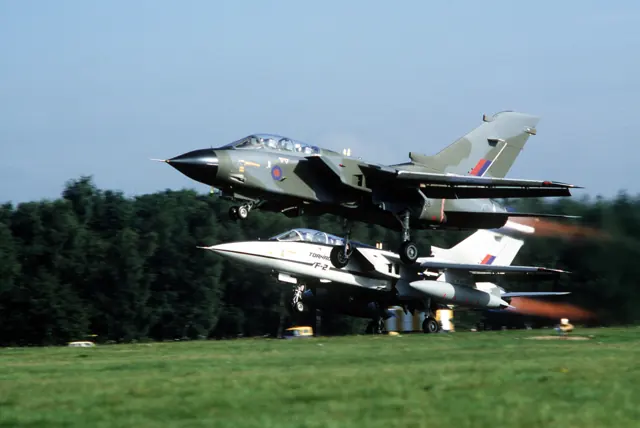
A European variable-sweep combat-aircraft family with distinct strike and interceptor versions.
Beechcraft's Model 76, designed to introduce pilots to twin-engine flying.
A long-range fighter whose different engine and canopy developments produced several distinct forms.
A shorter wide-body Airbus from the transition to two-pilot, electronic-instrument cockpits.
A compact Japanese twin turboprop with a high wing and pressurised cabin.
This is AirframeDB’s first release. More features and aircraft research are planned. Leave your email if you’d like occasional updates.