MSFS
De Havilland Canada CL-415 ↗
An amphibious turboprop designed around scooping water and delivering it to fires.
1 implementations+ Compare
Explore the aircraft. Find your simulator. Follow the sources.
An amphibious turboprop designed around scooping water and delivering it to fires.
A four-engine airliner that brought pressurised-cabin travel into scheduled service.
A large long-haul twin that introduced Boeing's first commercial fly-by-wire airliner flight controls.
A heavy transport helicopter whose two large rotors remove the need for a tail rotor.
SOCATA's touring-aircraft family, including the Tobago and Trinidad.
A four-engine airliner whose history also includes long-range maritime military service.
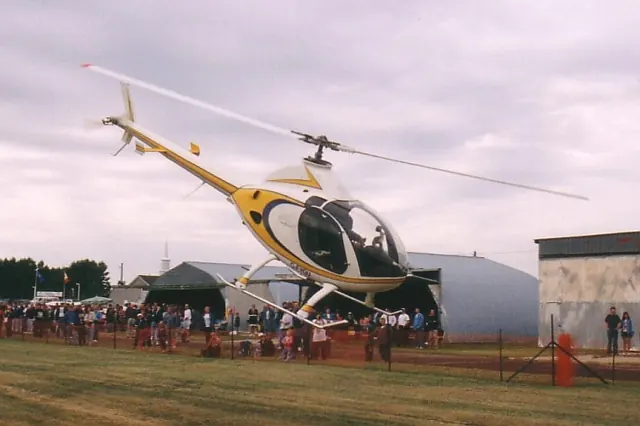
A modern two-seat piston helicopter designed around the training role.
A twin-turboprop regional airliner developed through Swedish and American industrial cooperation.
A side-by-side two-seat sailplane with a retractable powerplant for self-launching.
A 1920s transport family that developed from a single-engine airliner into a trimotor.
The JetRanger and LongRanger family: a familiar turbine-helicopter shape with distinct cabin lengths.
A twin-turboprop utility aircraft developed by Reims Aviation with Cessna.
A pioneering all-metal transport with an enclosed passenger cabin and corrugated skin.
A utility-aircraft family whose stretched 207 branch trades compact proportions for more cabin space.
A large twin-radial transport that carried heavy loads through wartime and post-war freight service.
A pressurised twin turboprop with a canard, composite airframe and rear-facing propellers.
A modern medium twin-engine helicopter developed as a successor to the Dauphin line.
A twin-radial military transport with a rear ramp and short-field design priorities.
A long-range twin designed around a new wide-body airframe and extensive composite construction.
A close-air-support aircraft with a straight wing, twin tail and two widely separated jet engines.
RotorWay's two-seat kit-helicopter family, with piston and turbine simulator interpretations.
An enclosed-cabin development of the Bell 47, shaped for passenger and executive transport.
A lightweight short-field aircraft with a specialised wing and tall, shock-absorbing landing gear.
A long-range twin whose programme emphasised composite construction and more electrically powered systems.
This is AirframeDB’s first release. More features and aircraft research are planned. Leave your email if you’d like occasional updates.