MSFS
Dornier Seastar ↗
A composite amphibian that carries Dornier's centreline engine arrangement into the turboprop era.
1 implementations+ Compare
Explore the aircraft. Find your simulator. Follow the sources.
A composite amphibian that carries Dornier's centreline engine arrangement into the turboprop era.
A large twin-radial transport that carried heavy loads through wartime and post-war freight service.
A pressurised touring twin whose piston and turbine-conversion versions make a particularly interesting comparison.
A four-abreast regional-jet family spanning the E170, E175, E190 and E195.
A long-range twin whose programme emphasised composite construction and more electrically powered systems.
Piper's PA-31 utility twin, used in commuter, cargo and corporate transport.
A long-running touring single, familiar in both V-tail and conventional-tail forms.
A short-haul jet family that evolved through several generations of engines, wings and flight decks.
The H130 utility helicopter, descended from the AS350 and fitted with a Fenestron.
Epic's experimental light-jet project, represented in simulation by Aerobask.
A single-seat competition sailplane offered in Standard and 18-metre configurations.
A side-by-side two-seat sailplane with a retractable powerplant for self-launching.
A compact aerobatic biplane family with both single-seat and tandem-seat branches.
The fixed-gear, six-cylinder touring branch of Piper's PA-28 family.
A two-seat, twin-engine fighter that served naval and land-based air forces in many roles.
A modern composite twin with a roomy cabin and two wing-mounted piston engines.
A heavy-lift helicopter built around an open frame and an external working load.
A light tandem-seat taildragger built around the familiar braced high-wing layout.
A long-range trijet developed from the DC-10 with a stretched fuselage and revised wing and cockpit.
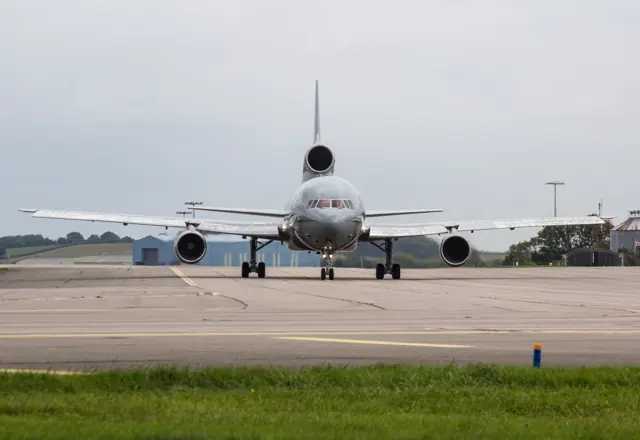
Lockheed's wide-body TriStar, with three RB211 engines and a distinctive tail intake.
A regional turboprop family whose short early versions and larger Q400 have different proportions and systems.
A purpose-built aerobatic monoplane family developed by pilot and designer Walter Extra.
The purpose-built Ryan monoplane used by Charles Lindbergh for his 1927 solo Atlantic crossing.
A tandem-seat light aircraft with a streamlined low-wing layout.
This is AirframeDB’s first release. More features and aircraft research are planned. Leave your email if you’d like occasional updates.