X-Plane
Cessna 337 Skymaster ↗
A push-pull twin with one engine at each end of the central fuselage.
1 implementations+ Compare
Explore the aircraft. Find your simulator. Follow the sources.
A push-pull twin with one engine at each end of the central fuselage.
A close-air-support aircraft with a straight wing, twin tail and two widely separated jet engines.
A five-seat composite single whose development led to the diesel DA50 RG.
A small observation-helicopter family with a rounded cabin and compact rotor system.
A family of single-aisle airliners built around sidesticks, electronic flight controls and a shared cockpit.
A light business jet with a swept wing, rear-mounted engines and an integrated flight deck.
A full-length double-deck airliner built for very high passenger capacity.
A large long-haul twin that introduced Boeing's first commercial fly-by-wire airliner flight controls.
A composite, low-wing touring single with fixed gear and a turbocharged engine.
A DC-10-derived tanker that combined aerial refuelling with passenger and cargo transport.
A four-seat high-wing single that spans generations of conventional instruments and glass cockpits.
A rear-engined trijet built to bring jet service to shorter routes and smaller airports.
A four-bladed utility helicopter developed from the LongRanger lineage.
A jet-powered military transport designed for both strategic loads and tactical airfield access.
A 1920s transport family that developed from a single-engine airliner into a trimotor.
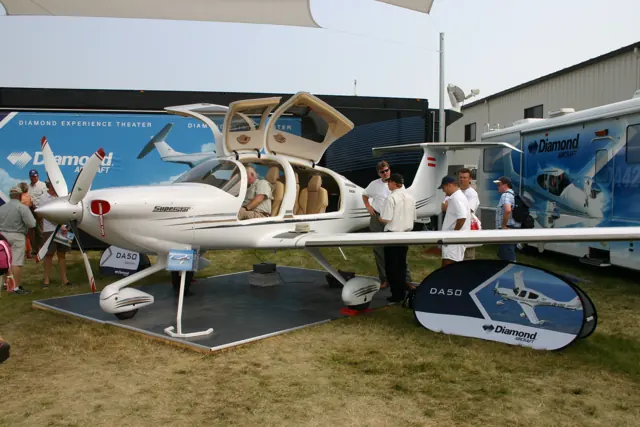
A four-seat composite touring and training aircraft developed from Diamond's smaller two-seater.
The four-engine Flying Fortress, a major American bomber of the Second World War.
A purpose-built agricultural aircraft that also became a single-engine air tanker.
A small two-seat piston helicopter with a two-bladed main rotor.
A compact two-seat light aircraft with a high wing and a wide range of development variants.
A military transport developed from the DC-3, used for cargo, troops, parachuting and glider towing.
A Swedish reconnaissance and dive-bombing aircraft from the early 1940s.
The Wilga is the real-aircraft starting point for Mike Patey's DRACO and the simulator's DRACO X.
Beechcraft's Model 76, designed to introduce pilots to twin-engine flying.
This is AirframeDB’s first release. More features and aircraft research are planned. Leave your email if you’d like occasional updates.