MSFS
Fokker F.VII ↗
A 1920s transport family that developed from a single-engine airliner into a trimotor.
1 implementations+ Compare
Explore the aircraft. Find your simulator. Follow the sources.
A 1920s transport family that developed from a single-engine airliner into a trimotor.
A pressurised four-engine piston transport from the last major generation before the jet airliner.
Diamond's four-seat light twin, developed with diesel-powered versions.
A four-engine airliner whose history also includes long-range maritime military service.
A small two-seat piston helicopter with a two-bladed main rotor.
A two-seat Tecnam high-wing aircraft combining composite and metal construction.
A pressurised touring twin whose piston and turbine-conversion versions make a particularly interesting comparison.
A modern utility single whose family includes both tailwheel and nosewheel configurations.
A carrier-capable multirole fighter, larger than the earlier Hornet from which it developed.
A high-wing utility turboprop designed for short-field passenger and cargo work.
A Polish utility aircraft designed for short takeoffs and landings.
A wartime fighter developed from the earlier Curtiss P-36.
A large long-haul twin that introduced Boeing's first commercial fly-by-wire airliner flight controls.
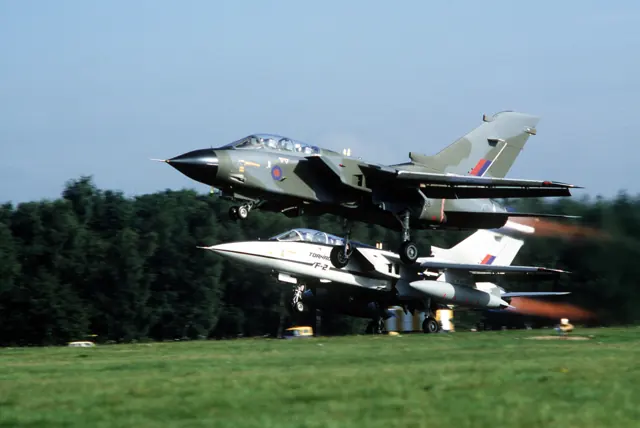
A European variable-sweep combat-aircraft family with distinct strike and interceptor versions.
A three-engine airliner that became a mainstay of Soviet and Russian passenger transport.
A four-seat touring family whose Commander 114 added a larger engine and further refinements.
An open-cockpit biplane trainer that found a second life in civilian flying.
A military transport developed from the DC-3, used for cargo, troops, parachuting and glider towing.
A four-engine airliner that brought pressurised-cabin travel into scheduled service.
A tailwheel utility single built around a high wing and a substantial working cabin.
A compact Japanese twin turboprop with a high wing and pressurised cabin.
A utility-aircraft family whose stretched 207 branch trades compact proportions for more cabin space.
A tandem-seat light aircraft with a streamlined low-wing layout.
An enclosed-cabin development of the Bell 47, shaped for passenger and executive transport.
This is AirframeDB’s first release. More features and aircraft research are planned. Leave your email if you’d like occasional updates.