X-Plane
Aero-Works Aerolite 103 ↗
An open, single-seat ultralight with its propeller behind the pilot.
2 implementations+ Compare
Explore the aircraft. Find your simulator. Follow the sources.
An open, single-seat ultralight with its propeller behind the pilot.
A twin-turboprop family whose smaller conventional-tail and larger T-tail branches have distinct identities.
A two-seat Tecnam high-wing aircraft combining composite and metal construction.
A midsize business jet developed by Bombardier’s Learjet division.
A vast inter-war flying boat with twelve engines arranged in six paired installations.
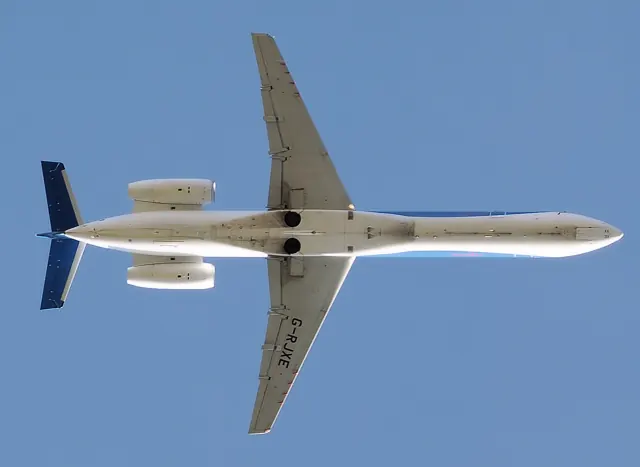
Embraer's regional-jet family, from the ERJ 135 to the longer ERJ 145.
Tecnam's four-seat high-wing single, built with metal and carbon-fibre components.
An enclosed, two-seat autogyro with side-by-side seating and a pusher propeller.
A tailwheel utility single built around a high wing and a substantial working cabin.
A large long-haul twin that introduced Boeing's first commercial fly-by-wire airliner flight controls.
A short-field Savage with leading-edge slats and a distinct Got Friends simulator implementation.
A light business jet with a swept wing, rear-mounted engines and an integrated flight deck.
An advanced trainer known around the world as the Texan, Harvard and SNJ.
A cabin biplane with the lower wing placed ahead of the upper one.
A composite amphibian that carries Dornier's centreline engine arrangement into the turboprop era.
A twin-engine utility helicopter with roots in the BK 117 and EC145 families.
A family of single-aisle airliners built around sidesticks, electronic flight controls and a shared cockpit.
A twin-turboprop utility aircraft developed by Reims Aviation with Cessna.
A two-seat composite trainer with a low wing and a large canopy.
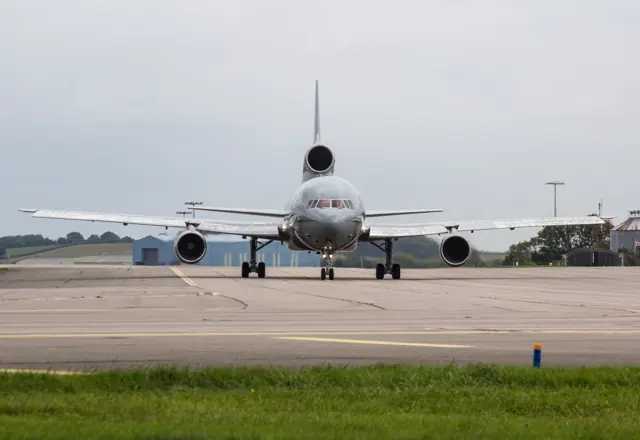
Lockheed's wide-body TriStar, with three RB211 engines and a distinctive tail intake.
The four-engine wide-body whose raised flight deck created one of aviation's most recognisable profiles.
A four-seat, pressurised kit aircraft with a composite airframe and retractable landing gear.
A modern medium twin-engine helicopter developed as a successor to the Dauphin line.
A twin-radial military transport with a rear ramp and short-field design priorities.
This is AirframeDB’s first release. More features and aircraft research are planned. Leave your email if you’d like occasional updates.