MSFS X-Plane
Cessna Caravan family ↗
A single-engine turboprop workhorse for passenger services, freight and remote-area transport.
4 implementations+ Compare
Explore the aircraft. Find your simulator. Follow the sources.
A single-engine turboprop workhorse for passenger services, freight and remote-area transport.
A retractable-gear touring single with an all-metal airframe and a long-lived enthusiast following.
The four-engine wide-body whose raised flight deck created one of aviation's most recognisable profiles.
A compact rear-engined jet designed for short-haul regional airline work.
A two-seat composite trainer with a low wing and a large canopy.
A two-seat composite kit aircraft developed from the Lancair 320.
A 1920s flying boat with two engines arranged in tandem above the wing.
A lightweight short-field aircraft with a specialised wing and tall, shock-absorbing landing gear.
A twin-turbine Huey descendant with a four-blade main rotor.
A personal jet with one engine above the rear fuselage and a distinctive V-tail.
A post-war Czech light twin with a rounded cabin and engines carried on a low wing.
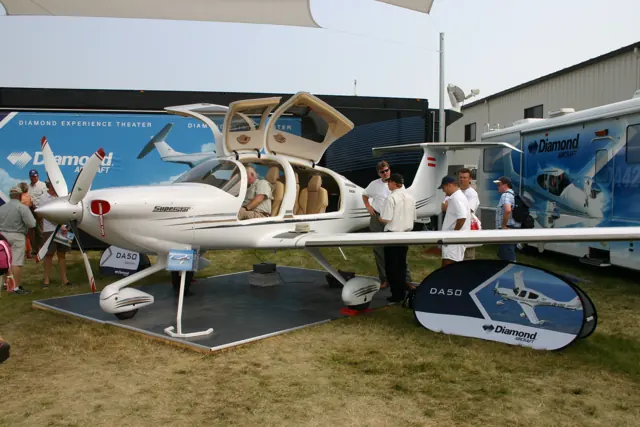
A five-seat composite single whose development led to the diesel DA50 RG.
A family of single-aisle airliners built around sidesticks, electronic flight controls and a shared cockpit.
A wide-cabin business-jet family that developed from Canadair's original Challenger programme.
A box-shaped utility twin whose cabin and rear access are central to its design.
A twin-aisle Boeing designed alongside the 757's generation of two-pilot flight decks.
A shorter wide-body Airbus from the transition to two-pilot, electronic-instrument cockpits.
Tecnam's two-seat, low-wing Sierra, introduced in the early 2000s.
A long-haul twin whose family spans passenger, freight and specialist transport roles.
A six-engine flying boat created for long-distance passenger travel over water.
A two-seat light amphibian with a compact boat hull and a pusher propeller.
An enclosed-cabin development of the Bell 47, shaped for passenger and executive transport.
A push-pull twin with one engine at each end of the central fuselage.
This is AirframeDB’s first release. More features and aircraft research are planned. Leave your email if you’d like occasional updates.