MSFS
Tecnam P2010 ↗
Tecnam's four-seat high-wing single, built with metal and carbon-fibre components.
1 implementations+ Compare
Explore the aircraft. Find your simulator. Follow the sources.
Tecnam's four-seat high-wing single, built with metal and carbon-fibre components.
A pressurised four-engine piston transport from the last major generation before the jet airliner.
A tailwheel utility single built around a high wing and a substantial working cabin.
A large amphibious flying boat built around maritime rescue and utility transport.
A light tandem-seat taildragger built around the familiar braced high-wing layout.
Epic's experimental light-jet project, represented in simulation by Aerobask.
A low-wing piston family that spans simple trainers, touring aircraft and retractable-gear Arrows.
The second-generation Harrier, designed around vectored thrust and short-field operation.
A radial-engined utility aircraft closely associated with bush flying and float operations.
A modern medium twin-engine helicopter developed as a successor to the Dauphin line.
Lockheed's tandem-seat Shooting Star jet trainer.
A single-engine turboprop workhorse for passenger services, freight and remote-area transport.
A push-pull twin with one engine at each end of the central fuselage.
An advanced trainer known around the world as the Texan, Harvard and SNJ.
A twin-turboprop family whose smaller conventional-tail and larger T-tail branches have distinct identities.
A pioneering all-metal transport with an enclosed passenger cabin and corrugated skin.
A Polish utility aircraft designed for short takeoffs and landings.
A four-seat composite touring and training aircraft developed from Diamond's smaller two-seater.
A three-engine airliner that became a mainstay of Soviet and Russian passenger transport.
A six-engine heavy transport created for exceptionally large external and internal loads.
A close-air-support aircraft with a straight wing, twin tail and two widely separated jet engines.
A long-running touring single, familiar in both V-tail and conventional-tail forms.
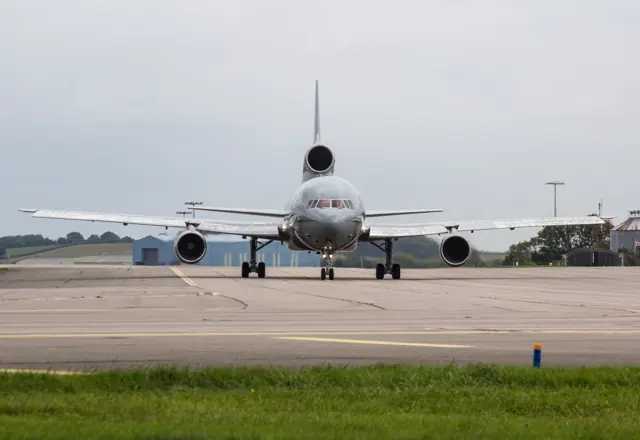
Lockheed's wide-body TriStar, with three RB211 engines and a distinctive tail intake.
A twin-aisle Boeing designed alongside the 757's generation of two-pilot flight decks.
This is AirframeDB’s first release. More features and aircraft research are planned. Leave your email if you’d like occasional updates.