MSFS
Aérospatiale Gazelle ↗
A compact utility helicopter distinguished by its enclosed Fenestron tail rotor.
1 implementations+ Compare
Explore the aircraft. Find your simulator. Follow the sources.
A compact utility helicopter distinguished by its enclosed Fenestron tail rotor.
A long-range twin whose programme emphasised composite construction and more electrically powered systems.
A six-engine heavy transport created for exceptionally large external and internal loads.
A tandem-seat light aircraft with a streamlined low-wing layout.
A corrugated-metal, three-engine transport from the formative years of airline travel.
A heavy transport helicopter whose two large rotors remove the need for a tail rotor.
A swept-wing business jet designed around high subsonic cruise speed.
Avro's delta-wing bomber, developed for Britain's postwar strategic force.
A small three-engine demonstrator created to explore technologies for a future supersonic airliner.
A modern utility single whose family includes both tailwheel and nosewheel configurations.
A twin-radial military transport with a rear ramp and short-field design priorities.
Ted Smith's piston twin, later produced by Piper as the Aerostar.
A light turbine helicopter combining an Alouette II airframe with more powerful Alouette III components.
A pressurised touring twin whose piston and turbine-conversion versions make a particularly interesting comparison.
Cessna's retractable-gear Centurion, a high-wing touring aircraft.
A small twin-engine amphibian that moved from business transport into military and utility service.
A very large single-engine biplane designed for practical work from modest airfields.
A jet-powered military transport designed for both strategic loads and tactical airfield access.
Cirrus's first type-certified aircraft, a composite piston single.
A super-midsize business jet with a swept wing, rear-mounted engines and an integrated glass cockpit.
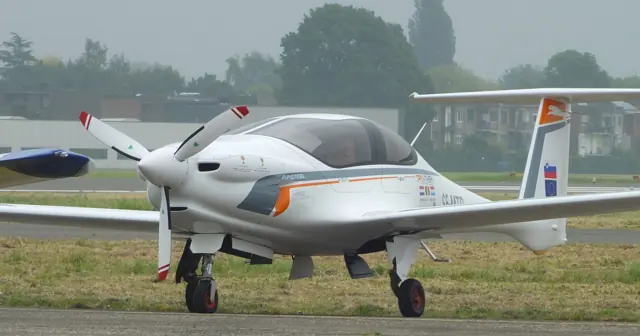
Pipistrel's streamlined four-seat composite-aircraft design.
A 1920s transport family that developed from a single-engine airliner into a trimotor.
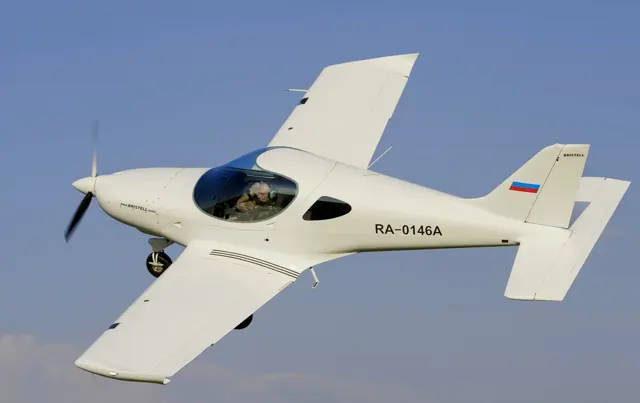
BRM Aero's two-seat B23, represented in MSFS by Airfoillabs.
The Wilga is the real-aircraft starting point for Mike Patey's DRACO and the simulator's DRACO X.
This is AirframeDB’s first release. More features and aircraft research are planned. Leave your email if you’d like occasional updates.