MSFS
Ryan NYP “Spirit of St. Louis” ↗
The purpose-built Ryan monoplane used by Charles Lindbergh for his 1927 solo Atlantic crossing.
2 implementations+ Compare
Explore the aircraft. Find your simulator. Follow the sources.
The purpose-built Ryan monoplane used by Charles Lindbergh for his 1927 solo Atlantic crossing.
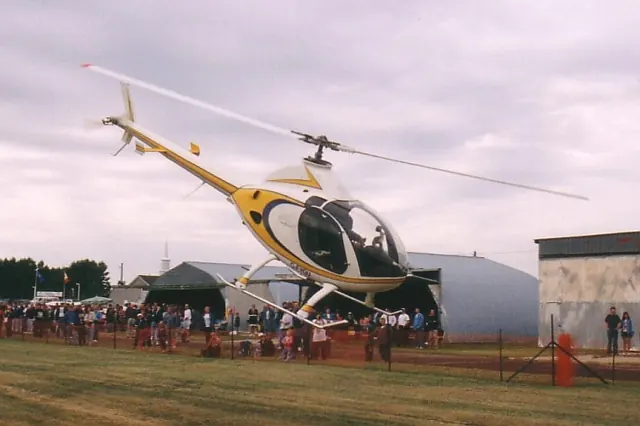
RotorWay's two-seat kit-helicopter family, with piston and turbine simulator interpretations.
A compact aerobatic biplane family with both single-seat and tandem-seat branches.
The Model 525 CitationJet, the starting point of Cessna's CJ and M2 lineage.
A close-air-support aircraft with a straight wing, twin tail and two widely separated jet engines.
A very large single-engine biplane designed for practical work from modest airfields.
A modern utility single whose family includes both tailwheel and nosewheel configurations.
A single-seat competition sailplane offered in Standard and 18-metre configurations.
A composite touring single with a whole-aircraft parachute and several generations of avionics.
A twin-turboprop regional airliner developed through Swedish and American industrial cooperation.
A Canadian tandem-seat trainer developed after the Second World War.
A twin-turboprop family whose smaller conventional-tail and larger T-tail branches have distinct identities.
A small twin-engine amphibian that moved from business transport into military and utility service.
Piper's two-seat trainer with fixed tricycle landing gear.
A compact twin-engine transport helicopter with retractable gear and a long development history.
A lightweight pusher family with an enclosed cabin and a high, braced wing.
A single-seat aerobatic monoplane that also became a familiar air-racing aircraft.
A very light twin jet developed from the Eclipse 500.
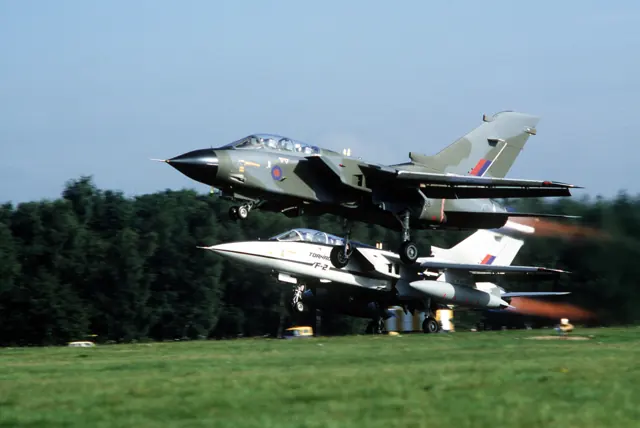
A European variable-sweep combat-aircraft family with distinct strike and interceptor versions.
An Italian light aircraft known for military training and aerobatic use.
A French two-seat aerobatic trainer with side-by-side seating and a distinctive curved wing outline.
A retractable-gear touring single with an all-metal airframe and a long-lived enthusiast following.
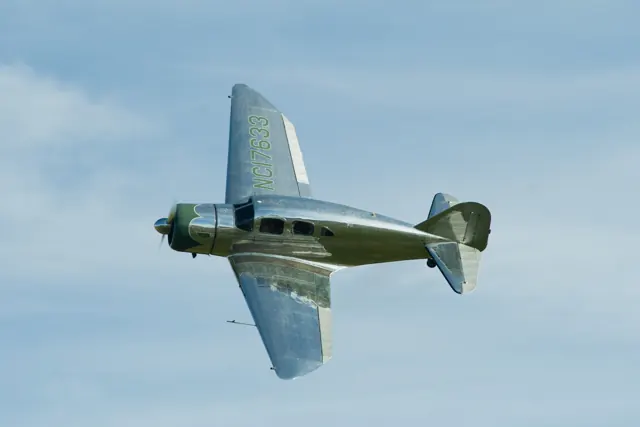
A late-1930s cabin aircraft with metal construction and retractable landing gear.
A shorter wide-body Airbus from the transition to two-pilot, electronic-instrument cockpits.
This is AirframeDB’s first release. More features and aircraft research are planned. Leave your email if you’d like occasional updates.