MSFS
Aérospatiale Gazelle ↗
A compact utility helicopter distinguished by its enclosed Fenestron tail rotor.
1 implementations+ Compare
Explore the aircraft. Find your simulator. Follow the sources.
A compact utility helicopter distinguished by its enclosed Fenestron tail rotor.
A twin-aisle Boeing designed alongside the 757's generation of two-pilot flight decks.
Ted Smith's piston twin, later produced by Piper as the Aerostar.
A tandem-seat homebuilt jet with composite construction and retractable landing gear.
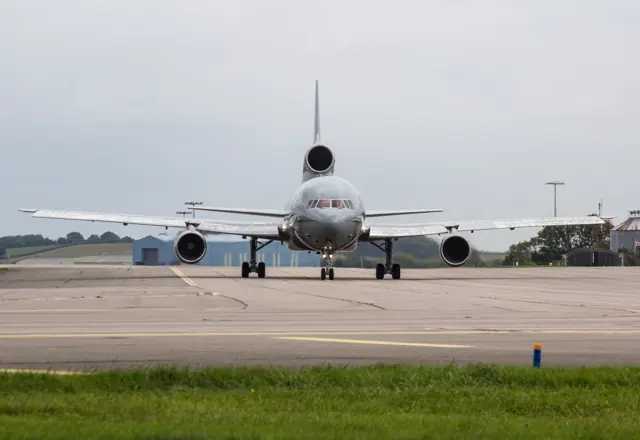
Lockheed's wide-body TriStar, with three RB211 engines and a distinctive tail intake.
A pressurised single turboprop with a large cargo door and a broad range of working roles.
A Polish utility aircraft designed for short takeoffs and landings.
Beechcraft's Model 76, designed to introduce pilots to twin-engine flying.
A short-field Savage with leading-edge slats and a distinct Got Friends simulator implementation.
A wide-cabin business-jet family that developed from Canadair's original Challenger programme.
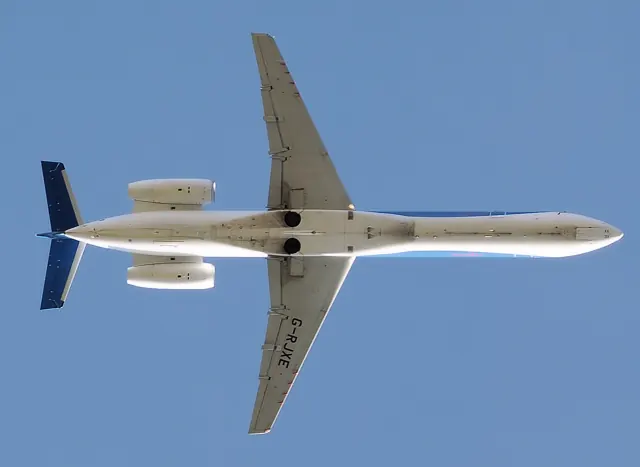
Embraer's regional-jet family, from the ERJ 135 to the longer ERJ 145.
A twin-radial airliner that helped make practical passenger transport a regular business.
A twin-engine business jet designed to retain some of the utility flexibility associated with the PC-12.
A twin-engine utility helicopter with roots in the BK 117 and EC145 families.
A modern medium twin-engine helicopter developed as a successor to the Dauphin line.
Epic's experimental light-jet project, represented in simulation by Aerobask.
A compact twin-engine helicopter widely used for medical, police and training work.
A composite, low-wing touring single with fixed gear and a turbocharged engine.
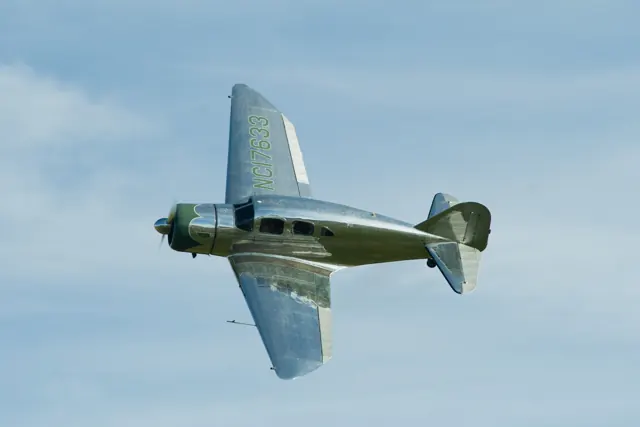
A late-1930s cabin aircraft with metal construction and retractable landing gear.
A pioneering light helicopter whose bubble cabin and exposed structure became widely recognisable.
A Brazilian light trainer with a high wing, tandem seats and a simple utility layout.
A single-engine utility helicopter known as the Écureuil, Squirrel and AStar.
A short-haul jet family that evolved through several generations of engines, wings and flight decks.
The four-engine Flying Fortress, a major American bomber of the Second World War.
This is AirframeDB’s first release. More features and aircraft research are planned. Leave your email if you’d like occasional updates.