MSFS
Pilatus PC-24 ↗
A twin-engine business jet designed to retain some of the utility flexibility associated with the PC-12.
1 implementations+ Compare
Explore the aircraft. Find your simulator. Follow the sources.
A twin-engine business jet designed to retain some of the utility flexibility associated with the PC-12.
A long-range twin designed around a new wide-body airframe and extensive composite construction.
A six-seat composite single turboprop with a pressurised cabin and retractable gear.
The Huey: a turbine-powered utility helicopter with a broad cabin and an unmistakable two-bladed rotor.
Regional flying built around a high wing, two turboprops and short sectors.
A composite amphibian that carries Dornier's centreline engine arrangement into the turboprop era.
A long-range twin whose programme emphasised composite construction and more electrically powered systems.
A five-seat turbine helicopter developed from Robinson's smaller piston-helicopter line.
The four-engine Flying Fortress, a major American bomber of the Second World War.
A midsize business jet developed by Bombardier’s Learjet division.
A post-war Czech light twin with a rounded cabin and engines carried on a low wing.
A long-range trijet developed from the DC-10 with a stretched fuselage and revised wing and cockpit.
A tandem-seat homebuilt jet with composite construction and retractable landing gear.
A super-midsize business jet with a swept wing, rear-mounted engines and an integrated glass cockpit.
A tandem-seat jet trainer that also found a second life in civilian display and racing.
A twin-turboprop family whose smaller conventional-tail and larger T-tail branches have distinct identities.
A two-seat, twin-engine fighter that served naval and land-based air forces in many roles.
A Brazilian light trainer with a high wing, tandem seats and a simple utility layout.
The purpose-built Ryan monoplane used by Charles Lindbergh for his 1927 solo Atlantic crossing.
A composite, low-wing touring single with fixed gear and a turbocharged engine.
A tandem two-seat sailplane designed for instruction and broader soaring use.
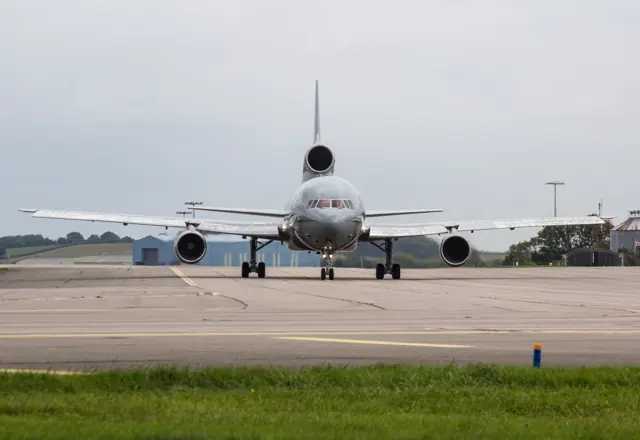
Lockheed's wide-body TriStar, with three RB211 engines and a distinctive tail intake.
A two-seat composite trainer with a low wing and a large canopy.
A twin-radial military transport with a rear ramp and short-field design priorities.
This is AirframeDB’s first release. More features and aircraft research are planned. Leave your email if you’d like occasional updates.