MSFS X-Plane
Boeing 777 ↗
A large long-haul twin that introduced Boeing's first commercial fly-by-wire airliner flight controls.
2 implementations+ Compare
Explore the aircraft. Find your simulator. Follow the sources.
A large long-haul twin that introduced Boeing's first commercial fly-by-wire airliner flight controls.
A modern composite twin with a roomy cabin and two wing-mounted piston engines.
A four-engine Airbus wide-body developed in parallel with the A330.
The H130 utility helicopter, descended from the AS350 and fitted with a Fenestron.
A pressurised single-engine turboprop family that combines a compact cabin with retractable gear.
A Swedish reconnaissance and dive-bombing aircraft from the early 1940s.
A medium commercial helicopter designed for passenger and utility transport.
A twin-radial military transport with a rear ramp and short-field design priorities.
A compact twin-engine helicopter widely used for medical, police and training work.
A wartime fighter developed from the earlier Curtiss P-36.
A compact twin-engine transport helicopter with retractable gear and a long development history.
A light turbine helicopter combining an Alouette II airframe with more powerful Alouette III components.
A six-seat composite single turboprop with a pressurised cabin and retractable gear.
A compact aerobatic biplane family with both single-seat and tandem-seat branches.
Beechcraft's Model 76, designed to introduce pilots to twin-engine flying.
A large twin-engine helicopter from the Super Puma line, used for offshore and public-service work.
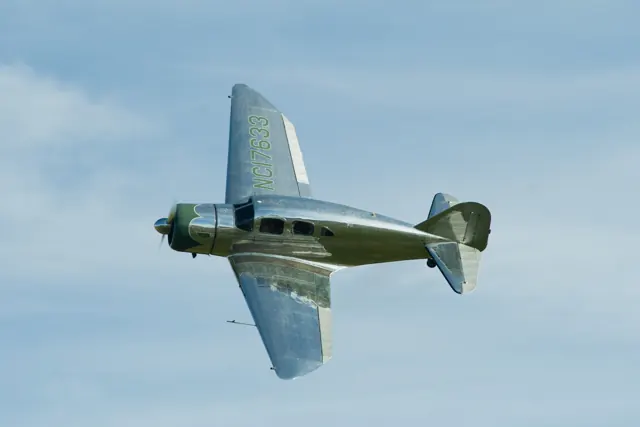
A late-1930s cabin aircraft with metal construction and retractable landing gear.
A modern medium twin-engine helicopter developed as a successor to the Dauphin line.
A modern utility single whose family includes both tailwheel and nosewheel configurations.
A turbine-powered utility helicopter with a broad cabin and a long international service history.
A small two-seat piston helicopter with a two-bladed main rotor.
A two-seat light amphibian with a compact boat hull and a pusher propeller.
A regional jet family with four small engines, a high wing and a large split tail airbrake.
The Wilga is the real-aircraft starting point for Mike Patey's DRACO and the simulator's DRACO X.
This is AirframeDB’s first release. More features and aircraft research are planned. Leave your email if you’d like occasional updates.