MSFS
ICON A5 ↗
A two-seat light amphibian with a compact boat hull and a pusher propeller.
2 implementations+ Compare
Explore the aircraft. Find your simulator. Follow the sources.
A two-seat light amphibian with a compact boat hull and a pusher propeller.
A tandem two-seat sailplane designed for instruction and broader soaring use.
A small twin-engine amphibian that moved from business transport into military and utility service.
A low-wing piston twin that carries the Beechcraft touring-aircraft lineage into two-engine flying.
Dassault's long-range Falcon 8X, developed from the three-engine 7X.
Piper's two-seat trainer with fixed tricycle landing gear.
Beechcraft's Model 76, designed to introduce pilots to twin-engine flying.
A five-seat composite single whose development led to the diesel DA50 RG.
A box-shaped utility twin whose cabin and rear access are central to its design.
A long-range fighter whose different engine and canopy developments produced several distinct forms.
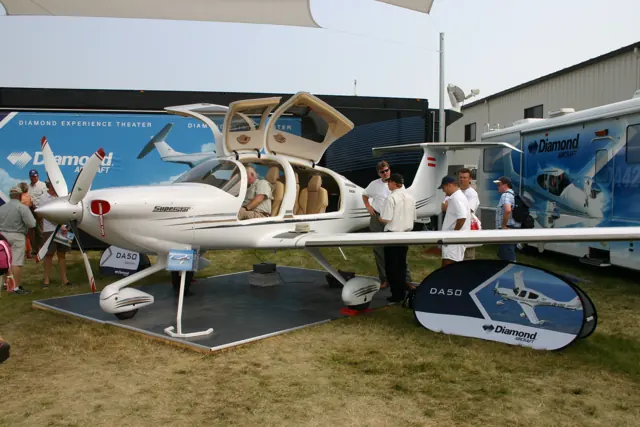
A two-seat composite trainer with a low wing and a large canopy.
An open-cockpit biplane trainer that found a second life in civilian flying.
A tailwheel utility single built around a high wing and a substantial working cabin.
A corrugated-metal, three-engine transport from the formative years of airline travel.
A four-engine tactical transport built around a rear loading ramp and access to austere airfields.
A single-engine utility helicopter known as the Écureuil, Squirrel and AStar.
A two-seat naval fighter with variable-sweep wings and a cockpit built around pilot and radar-intercept officer roles.
Ted Smith's piston twin, later produced by Piper as the Aerostar.
The second-generation Harrier, designed around vectored thrust and short-field operation.
A six-seat composite single turboprop with a pressurised cabin and retractable gear.
A compact twin-engine transport helicopter with retractable gear and a long development history.
A super-midsize business jet with a swept wing, rear-mounted engines and an integrated glass cockpit.
A modern utility single whose family includes both tailwheel and nosewheel configurations.
This is AirframeDB’s first release. More features and aircraft research are planned. Leave your email if you’d like occasional updates.