MSFS
Grumman G-21A Goose ↗
A small twin-engine amphibian that moved from business transport into military and utility service.
2 implementations+ Compare
Explore the aircraft. Find your simulator. Follow the sources.
A small twin-engine amphibian that moved from business transport into military and utility service.
A four-seat touring family whose Commander 114 added a larger engine and further refinements.
A compact rear-engined jet designed for short-haul regional airline work.
An enclosed, two-seat autogyro with side-by-side seating and a pusher propeller.
A twin-aisle Boeing designed alongside the 757's generation of two-pilot flight decks.
A shorter wide-body Airbus from the transition to two-pilot, electronic-instrument cockpits.
A pressurised four-engine piston transport from the last major generation before the jet airliner.
A composite, low-wing touring single with fixed gear and a turbocharged engine.
A two-seat Tecnam high-wing aircraft combining composite and metal construction.
A British utility twin built around short regional and practical transport work.
A pioneering light helicopter whose bubble cabin and exposed structure became widely recognisable.
A fixed-wing observation aircraft with a helicopter-like view from its glazed nose.
A small three-engine demonstrator created to explore technologies for a future supersonic airliner.
A pressurised touring twin whose piston and turbine-conversion versions make a particularly interesting comparison.
A light tandem-seat taildragger built around the familiar braced high-wing layout.
A long-range fighter whose different engine and canopy developments produced several distinct forms.
Mooney's four-seat piston family, developed through many touring-aircraft variants.
The four-engine Flying Fortress, a major American bomber of the Second World War.
A four-engine tactical transport built around a rear loading ramp and access to austere airfields.
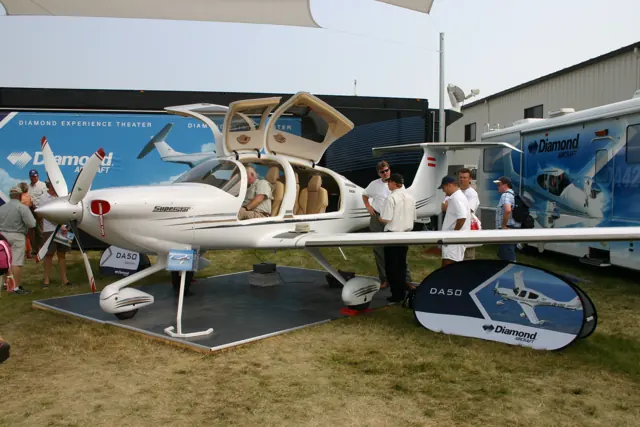
A five-seat composite single whose development led to the diesel DA50 RG.
A four-seat composite touring and training aircraft developed from Diamond's smaller two-seater.
The Wilga is the real-aircraft starting point for Mike Patey's DRACO and the simulator's DRACO X.
A low-wing piston twin that carries the Beechcraft touring-aircraft lineage into two-engine flying.
A side-by-side two-seat sailplane with a retractable powerplant for self-launching.
This is AirframeDB’s first release. More features and aircraft research are planned. Leave your email if you’d like occasional updates.