X-Plane
Boeing B-17 Flying Fortress ↗
The four-engine Flying Fortress, a major American bomber of the Second World War.
1 implementations+ Compare
Explore the aircraft. Find your simulator. Follow the sources.
The four-engine Flying Fortress, a major American bomber of the Second World War.
A twin-turbine Huey descendant with a four-blade main rotor.
A utility piston twin designed for commuter and specialist transport missions.
Cessna's unusual piston-powered helicopter, marketed as the Skyhook.
The four-engine wide-body whose raised flight deck created one of aviation's most recognisable profiles.
A cabin-class piston twin designed for commuter, cargo and utility work.
A pioneering all-metal transport with an enclosed passenger cabin and corrugated skin.
A twin-turboprop family whose smaller conventional-tail and larger T-tail branches have distinct identities.
A twin-hull flying boat with its engines mounted together above the wing.
A shorter wide-body Airbus from the transition to two-pilot, electronic-instrument cockpits.
A tailwheel utility single built around a high wing and a substantial working cabin.
A two-seat composite trainer with a low wing and a large canopy.
Airbus's first production aircraft, built around a twin-engine wide-body layout.
A light turbine helicopter combining an Alouette II airframe with more powerful Alouette III components.
A light business jet with a swept wing, rear-mounted engines and an integrated flight deck.
The H130 utility helicopter, descended from the AS350 and fitted with a Fenestron.
A twin-engine business jet designed to retain some of the utility flexibility associated with the PC-12.
Tecnam's four-seat high-wing single, built with metal and carbon-fibre components.
A radial-engine trainer that also served in combat and civilian warbird roles.
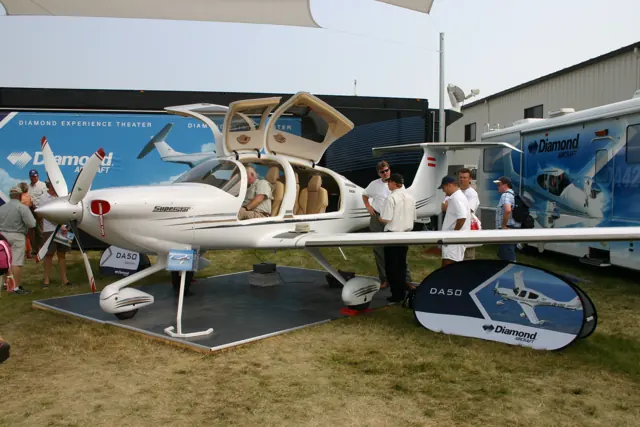
A five-seat composite single whose development led to the diesel DA50 RG.
A two-seat training single with a high wing and fixed tricycle landing gear.
A British utility twin built around short regional and practical transport work.
A low-wing agricultural Cessna with a cockpit and hopper arranged around the job.
The Wilga is the real-aircraft starting point for Mike Patey's DRACO and the simulator's DRACO X.
This is AirframeDB’s first release. More features and aircraft research are planned. Leave your email if you’d like occasional updates.