X-Plane
Boeing B-17 Flying Fortress ↗
The four-engine Flying Fortress, a major American bomber of the Second World War.
1 implementations+ Compare
Explore the aircraft. Find your simulator. Follow the sources.
The four-engine Flying Fortress, a major American bomber of the Second World War.
A twin-turboprop family whose smaller conventional-tail and larger T-tail branches have distinct identities.
A large long-haul twin that introduced Boeing's first commercial fly-by-wire airliner flight controls.
A DC-10-derived tanker that combined aerial refuelling with passenger and cargo transport.
A tandem-seat utility aircraft whose light structure and high wing suit bush, towing and recreational work.
A pressurised single turboprop with a large cargo door and a broad range of working roles.
A British utility twin built around short regional and practical transport work.
A two-seat naval fighter with variable-sweep wings and a cockpit built around pilot and radar-intercept officer roles.
Mooney's four-seat piston family, developed through many touring-aircraft variants.
A long-range trijet developed from the DC-10 with a stretched fuselage and revised wing and cockpit.
A high-wing utility aircraft known for short-field work and a broad choice of working configurations.
A modern composite twin with a roomy cabin and two wing-mounted piston engines.
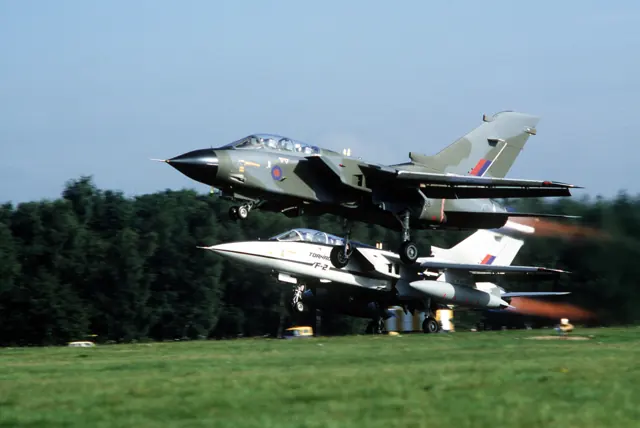
A European variable-sweep combat-aircraft family with distinct strike and interceptor versions.
A regional turboprop family whose short early versions and larger Q400 have different proportions and systems.
Epic's experimental light-jet project, represented in simulation by Aerobask.
A small two-seat piston helicopter with a two-bladed main rotor.
A regional jet family with four small engines, a high wing and a large split tail airbrake.
An Italian light aircraft known for military training and aerobatic use.
A specialised reconnaissance aircraft designed for very high altitude and sustained supersonic flight.
A high-wing utility turboprop designed for short-field passenger and cargo work.
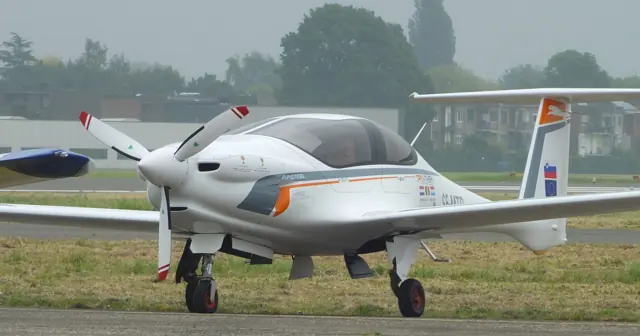
Pipistrel's streamlined four-seat composite-aircraft design.
A twin-aisle Boeing designed alongside the 757's generation of two-pilot flight decks.
A six-seat composite single turboprop with a pressurised cabin and retractable gear.
An open-cockpit biplane trainer that found a second life in civilian flying.
This is AirframeDB’s first release. More features and aircraft research are planned. Leave your email if you’d like occasional updates.