MSFS
Tecnam P2002 Sierra ↗
Tecnam's two-seat, low-wing Sierra, introduced in the early 2000s.
1 implementations+ Compare
Explore the aircraft. Find your simulator. Follow the sources.
Tecnam's two-seat, low-wing Sierra, introduced in the early 2000s.
A two-seat naval fighter with variable-sweep wings and a cockpit built around pilot and radar-intercept officer roles.
A high-wing utility turboprop designed for short-field passenger and cargo work.
A four-abreast regional-jet family spanning the E170, E175, E190 and E195.
A side-by-side two-seat sailplane with a retractable powerplant for self-launching.
A compact Japanese twin turboprop with a high wing and pressurised cabin.
A two-seat Tecnam high-wing aircraft combining composite and metal construction.
A light tandem-seat taildragger built around the familiar braced high-wing layout.
A lightweight pusher family with an enclosed cabin and a high, braced wing.
The four-engine wide-body whose raised flight deck created one of aviation's most recognisable profiles.
A vast inter-war flying boat with twelve engines arranged in six paired installations.
A shorter wide-body Airbus from the transition to two-pilot, electronic-instrument cockpits.
A five-seat turbine helicopter developed from Robinson's smaller piston-helicopter line.
A DC-10-derived tanker that combined aerial refuelling with passenger and cargo transport.
Cessna's unusual piston-powered helicopter, marketed as the Skyhook.
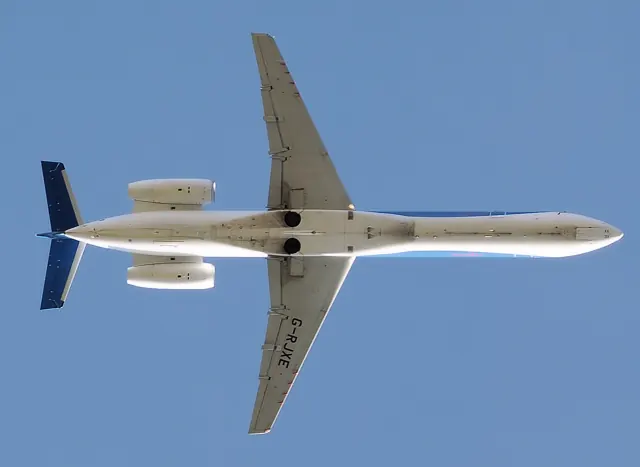
Embraer's regional-jet family, from the ERJ 135 to the longer ERJ 145.
A streamlined twin-engine helicopter with a Fenestron tail rotor and retractable landing gear.
A four-bladed utility helicopter developed from the LongRanger lineage.
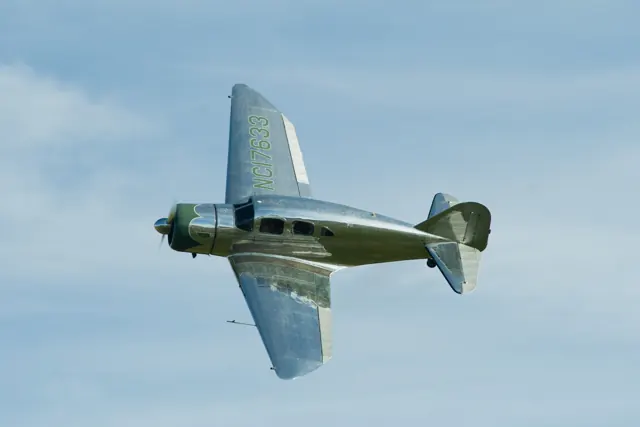
A late-1930s cabin aircraft with metal construction and retractable landing gear.
A narrow-body twin developed as a new generation of medium-range airliner.
Dassault's long-range Falcon 8X, developed from the three-engine 7X.
A family of single-aisle airliners built around sidesticks, electronic flight controls and a shared cockpit.
A rear-engined trijet built to bring jet service to shorter routes and smaller airports.
This is AirframeDB’s first release. More features and aircraft research are planned. Leave your email if you’d like occasional updates.