MSFS X-Plane
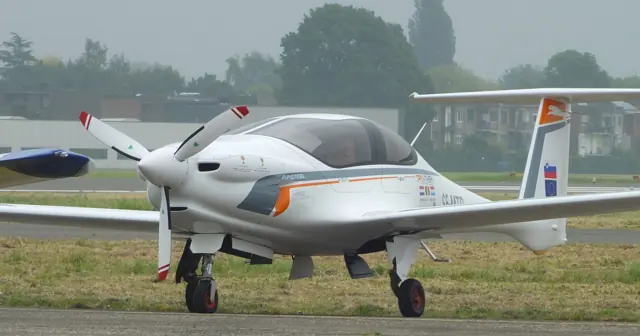
Diamond DA20 / DV20 ↗
A two-seat composite trainer with a low wing and a large canopy.
3 implementations+ Compare
Explore the aircraft. Find your simulator. Follow the sources.
A two-seat composite trainer with a low wing and a large canopy.
A corrugated-metal, three-engine transport from the formative years of airline travel.
A large amphibious flying boat built around maritime rescue and utility transport.
A six-engine heavy transport created for exceptionally large external and internal loads.
Lockheed's tandem-seat Shooting Star jet trainer.
A low-wing agricultural Cessna with a cockpit and hopper arranged around the job.
A regional turboprop family whose short early versions and larger Q400 have different proportions and systems.
A twin-turboprop family whose smaller conventional-tail and larger T-tail branches have distinct identities.
A post-war Czech light twin with a rounded cabin and engines carried on a low wing.
The four-engine Flying Fortress, a major American bomber of the Second World War.
A short-field Savage with leading-edge slats and a distinct Got Friends simulator implementation.
A pioneering all-metal transport with an enclosed passenger cabin and corrugated skin.
A six-seat composite single turboprop with a pressurised cabin and retractable gear.
A shorter wide-body Airbus from the transition to two-pilot, electronic-instrument cockpits.
A First World War trainer that became a familiar sight in the barnstorming era.
A stretched development of the DC-9 with rear-mounted engines and a five-abreast cabin.
A compact rear-engined jet designed for short-haul regional airline work.
Cirrus's first type-certified aircraft, a composite piston single.
Pipistrel's streamlined four-seat composite-aircraft design.
A hybrid-electric regional-airliner concept represented in the simulator while the real programme develops.
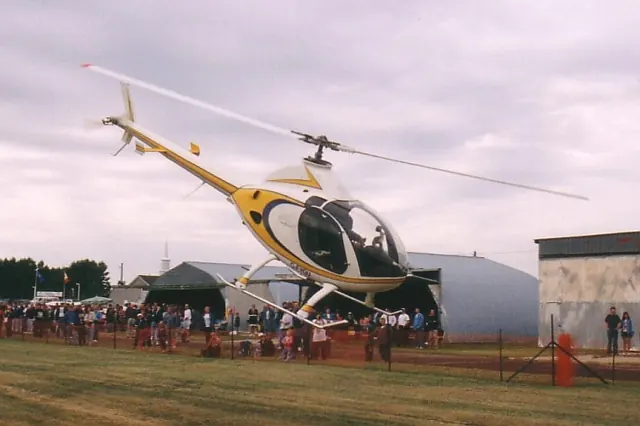
RotorWay's two-seat kit-helicopter family, with piston and turbine simulator interpretations.
A personal jet with one engine above the rear fuselage and a distinctive V-tail.
A cabin biplane with the lower wing placed ahead of the upper one.
Ted Smith's piston twin, later produced by Piper as the Aerostar.
This is AirframeDB’s first release. More features and aircraft research are planned. Leave your email if you’d like occasional updates.